




Seismic surveys and fishing have for years co-existed in the North Sea and Norwegian Sea – but for Norwegian pelagic fishermen targeting mackerel and herring, seismic activity is presenting some major challenges.
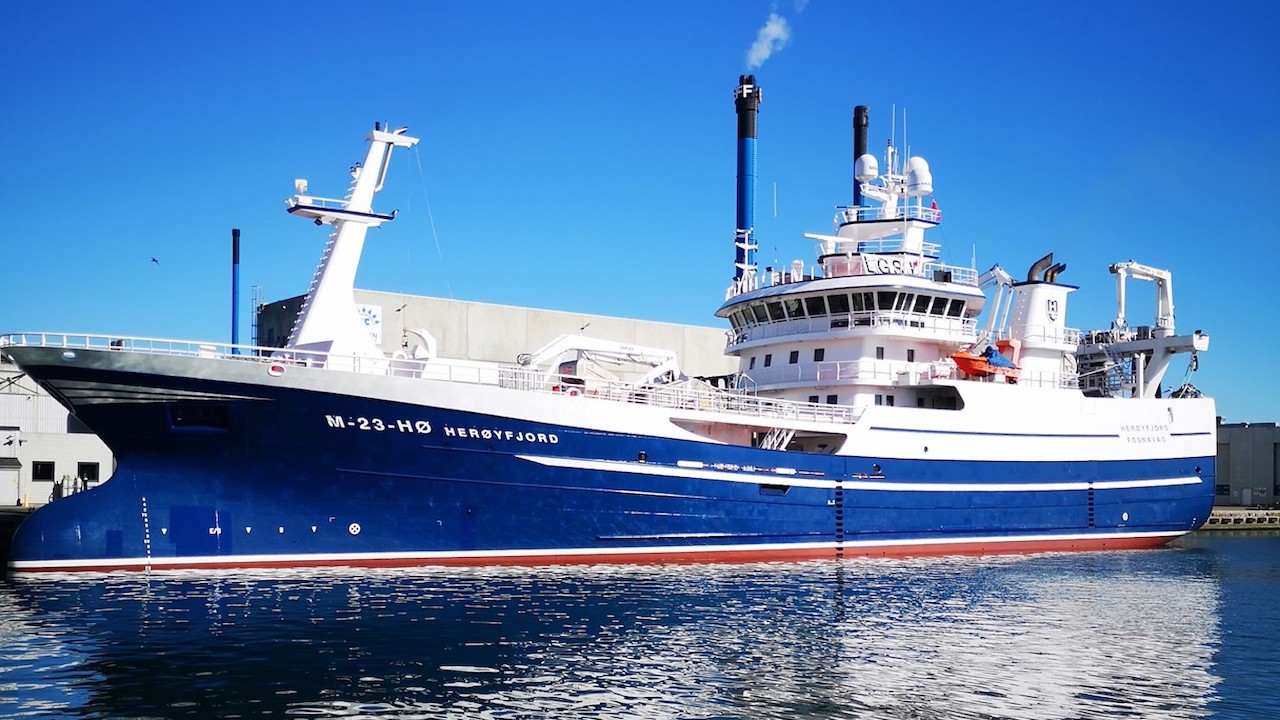
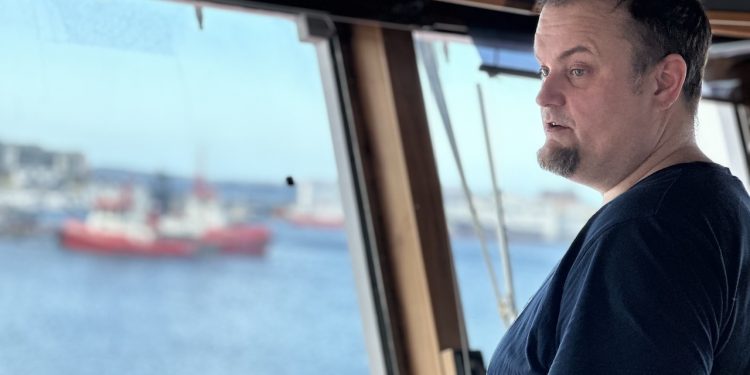
‘We are being displaced from our fishing grounds. Large areas are closed off for seismic surveys. But in practice, only small parts of these areas are actually used for shooting,’ said Terje Eriksen, co-owner of pelagic trawler Herøyfjord and chairman of The South Norway Fishermen’s Association.
A new report confirms that many fishermen experience both financial losses and operational challenges due to seismic activity. The report was produced by the FiskeriSeis project, funded by the Norwegian Seafood Research Fund (FHF), in cooperation with the Norwegian Institute of Marine Research, the Directorate of Fisheries, Equinor, and the fishing industry organisation Fiskebåt.
The report’s key conclusion demonstrate that 70% of surveyed fishermen have experienced seismic surveys very close to their fishing grounds.

The FiskeriSeis report also outlines that many fishermen avoid areas with planned seismic activity, even before shooting begins, due to the uncertainty around this, the current compensation scheme works poorly for pelagic fisheries like herring and mackerel, where catch losses are hard to document, and the report recommends better real-time information sharing between seismic companies and fishermen to reduce conflicts.
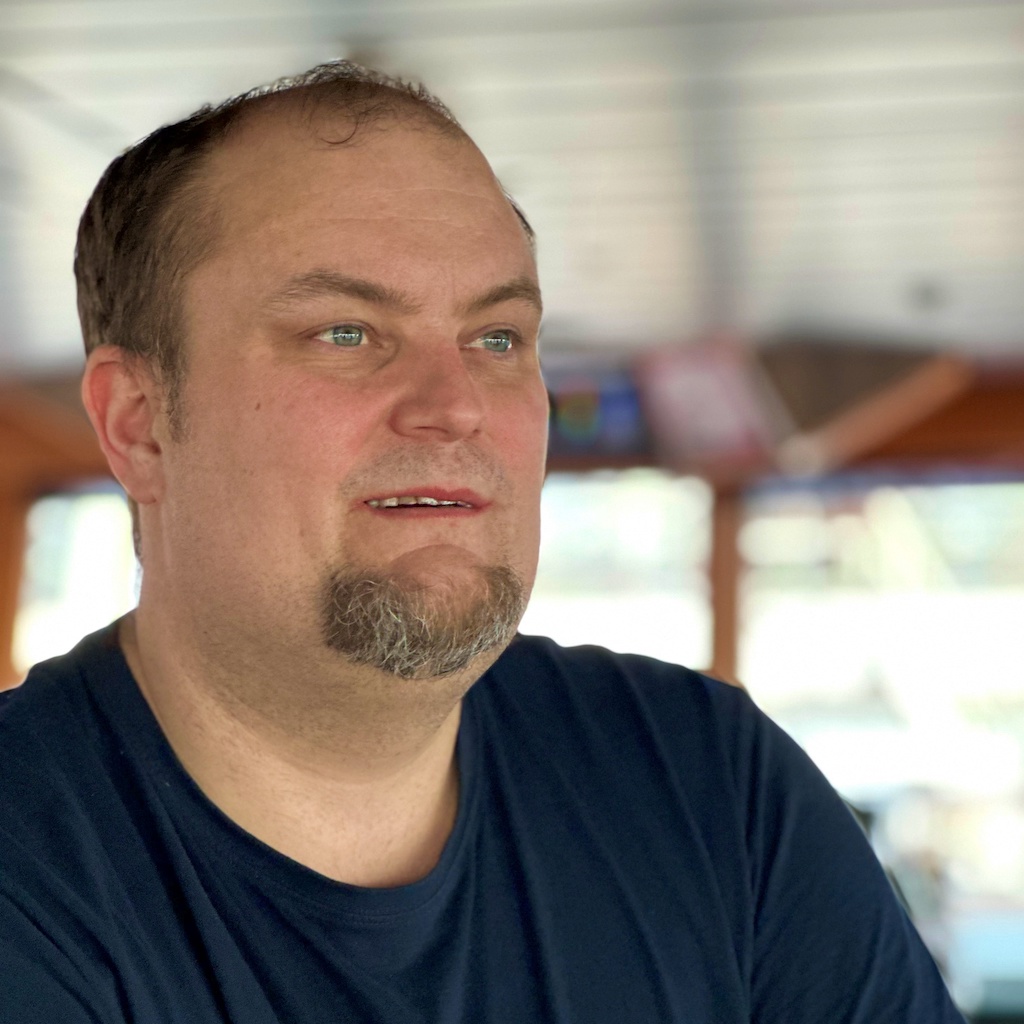
‘To get compensation, we must physically attempt to fish in the area and document lost catch. If we avoid the area altogether, it’s nearly impossible to claim any compensation,’ Terje Eriksen said.
The report recommends weekly reporting of planned seismic operations to authorities, allowing this information to be automatically integrated into fishermen’s plotters. This would give the fleet much better predictability.
‘Good dialogue is the key. We need to know exactly when and where seismic activity will occur to plan our fishing trips effectively,’ he commented
FHF’s Head of Fisheries, Rita Naustvik, stressed this need for improved sharing of information and efforts to reach practical solutions. ‘The report confirms what the industry has experienced for a long time. Seismic activity poses challenges, especially in pelagic fisheries,’ she said.
‘To ensure better coexistence, we need improved information, targeted research, and compensation schemes that work in practice.’