

The listing of Russian companies Norebo and Murman Seafood this year coloured talks between Norway and Russia, but these have now resulted in a Barents Sea fisheries agreement for 2026.
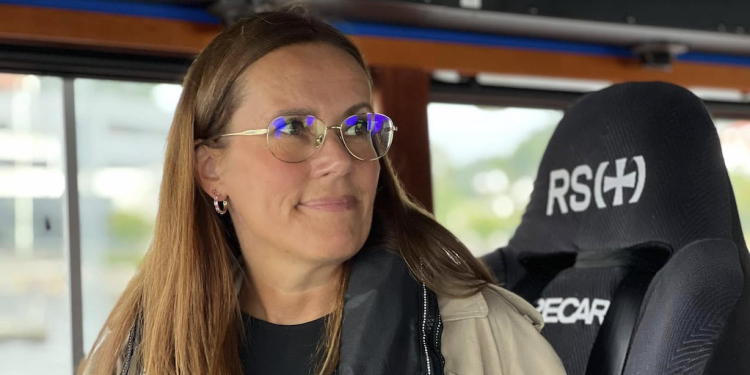
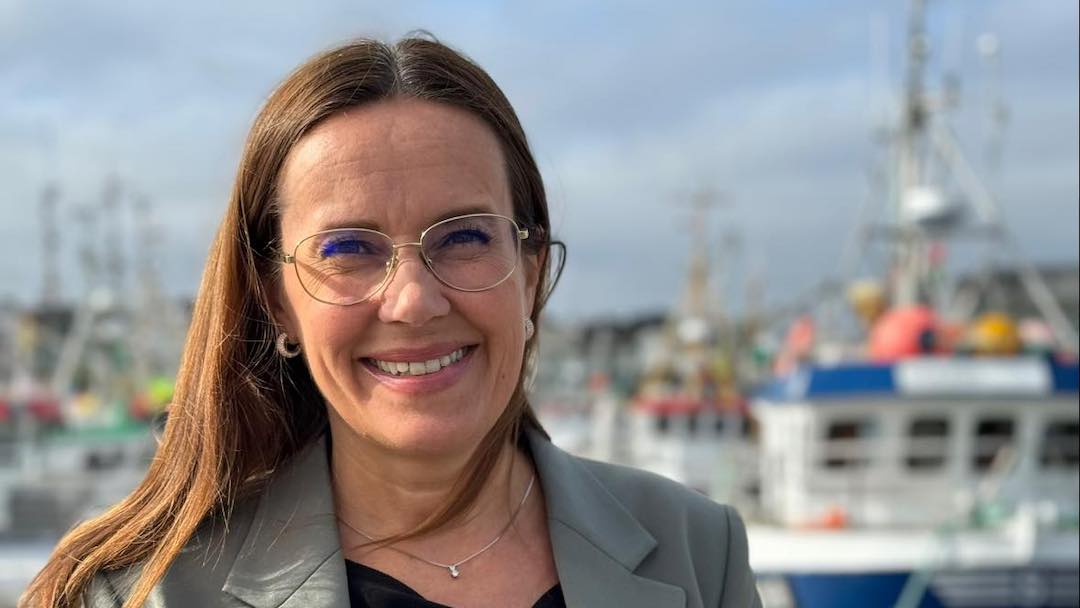
‘The agreement is particularly important at a time when we have had a significant reduction in the cod quota over several years. We have now set a cod quota for 2026 at a level that contributes to rebuilding the stock,’ said Norway’s Minister of Fisheries and the Oceans Marianne Sivertsen Næss.
‘This year’s negotiations have been challenging. The listing of the two Russian fishing companies has left its mark on the negotiations, but I am pleased that despite this we have reached an agreement that will contribute to the sustainable management of the important fishing resources in the north.’
The cod quota for 2026 is the lowest since 1991, but after several years of significant quota cuts, the thinking is that it lays the foundation for an increase in the stock that will result in somewhat higher quotas in future. The quota level for 2026 will result in a significantly reduced fishing pressure going from 2025 to 2026.
The total quota for Northeast Arctic cod for 2026 is set at 285,000 tonnes. This represents a drop of 16% compared to this year’s quota. The overall quota is split between Norway, Russia and third countries according to the same principles as in previous years. Norway’s share of the quota for 2026 will be 139,827 tonnes.
The total quota for haddock is set at 153,293 tonnes for 2026, which is 18% up on the current year. Norway’s share of the quota for 2026 will be 76,345 tonnes.
The quota for Greenland halibut in 2026 is unchanged at 19,000 tonnes.
A quota for capelin has been set at 69,177 tonnes for 2026. This is a 3% increase on the current year’s quota. As was the case in 2025, capelin fishing will not be opened in 2026.
The parties have agreed on a joint Norwegian-Russian research programme for 2026 and the continuation of joint technical regulatory measures for the practice of fishing.
Norway-EU agreement
An agreement for 2026 has been reached between Norway and the European Union for the North Sea and Skagerrak, plus the neighbourhood agreement on Swedish vessels’ activities in the Norwegian zone.
With quota swaps in place, it means that Norwegian fishermen can fish on the quotas exchanged, including shrimp, Greenland halibut and redfish in Greenland, and blue whiting in the EU zone. The EU gets a Barents Sea cod quota of 9196 tonnes.
‘Both sides have worked constructively throughout the negotiations, and I believe the result is good for both parties. Getting agreements in place with other parties around us before the next quota year is a high priority,’ Marianne Sivertsen Næss said.
‘With these agreements in place, the industry has better predictability, which is important for fishermen both in Norway and the EU.’