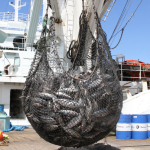






ICES has recommended a 30% reduction in its advice for North Sea herring, proposing that the quota should not exceed 287,772 tonnes in 2026. This is the lowest quota advice 2011, while ICES advised a 410,707-tonne quota for the current year.
‘The reduction is due to a drop in the spawning stock of North Sea herring, while the reference points used to provide advice have changed,’ said stock manager Cecilie Kvamme at the Norwegian Institute for Marine Research.

‘This low recommendation is mainly due to the downward adjustment of FMSY, but also very poor recruitment in recent years.’
North Sea herring is an important stock for the Norwegian fleet, which has a 29%. share of the overall quota. While North Sea herring is down, there is a recommendation for a 213% increase in the sprat quota, compared to previous scientific advice.
‘As business people, we are used to ups and downs. But we really don’t like it when it fluctuates so much from year to year. At the same time, we are not surprised by the advice,’ said Kåre Heggebø of the Norwegian Fishermen’s Association, adding that rising prices could compensate to some extent for the reduced quota.
The sprat quota advised for July 2025 – June 2026 is for a catch not exceeding 236,114 tonnes – a substantial increase over the 2024/2025 recommendation of 75,321 tonnes.
‘There was very good recruitment in 2024 – the best since 1979,’ Cecilie Kvamme said.
‘Sprat is an important food resource for, among other things, larger fish species, and is also a relatively short-lived stock – which means that the stock size can vary considerably from year to year.
Norwegian coastal sprat is a separate stock and does not come under this recommendation. A separate national quota recommendation will be made for this species.