




The Redes de España initiative clears the way for fishing gear to be recycled into new items, notably car components, and the next step is to develop an operational model that can be scaled up.
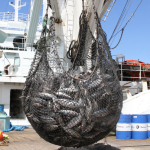
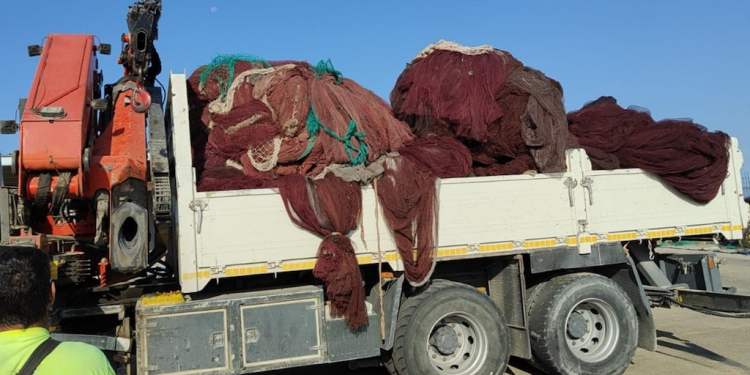
101 tonnes of used fishing nets were collected under the Redes de España project developed by the Spanish Confederation of Fisheries (Cepesca), the Automotive Technology Center of Galicia (CTAG) and the National Federation of Fishermen’s Guilds (FNCP).
‘We are very satisfied with everything achieved in the Redes de España project, especially in terms of awareness, collaboration and innovation, and this conference, beyond serving to evaluate the results, will allow us to raise strategic questions in each of the three pillars of the project – management, traceability and innovation – as well as establish contact with different actors to share best practices and continue moving forward,’ said Nadia Moalla, Head of Innovation Projects at Cepesca.
The project has been developed in collaboration with the Biodiversity Foundation of the Ministry for Ecological Transition and the Demographic Challenge, through the Pleamar Program, and is co-financed by the European Union through the European Maritime, Fisheries and Aquaculture Fund (EMFF).
This product of the Spanish fishing sector’s commitment to sustainability and the development of the circular economy, will be presented at the ‘From End of Life to a Management System’ conference, which takes place this week at the Impact Hub Piamonte in Madrid and can also be attended online.