


Authorities from 21 countries across Europe and beyond have co-ordinated with Europol to target organised crime groups behind the illegal trade in endangered glass eels. DNA testing in the US and raids in France have exposed the global reach of trafficking networks.
Operation LAKE, Europol’s flagship action against glass eel trafficking and one of the longest-running international operations tackling environmental crime, ran in its latest format between October 2024 and June 2025, uncovering large-scale trafficking networks and disrupting the flow of live eels destined for illegal farms in Asia.
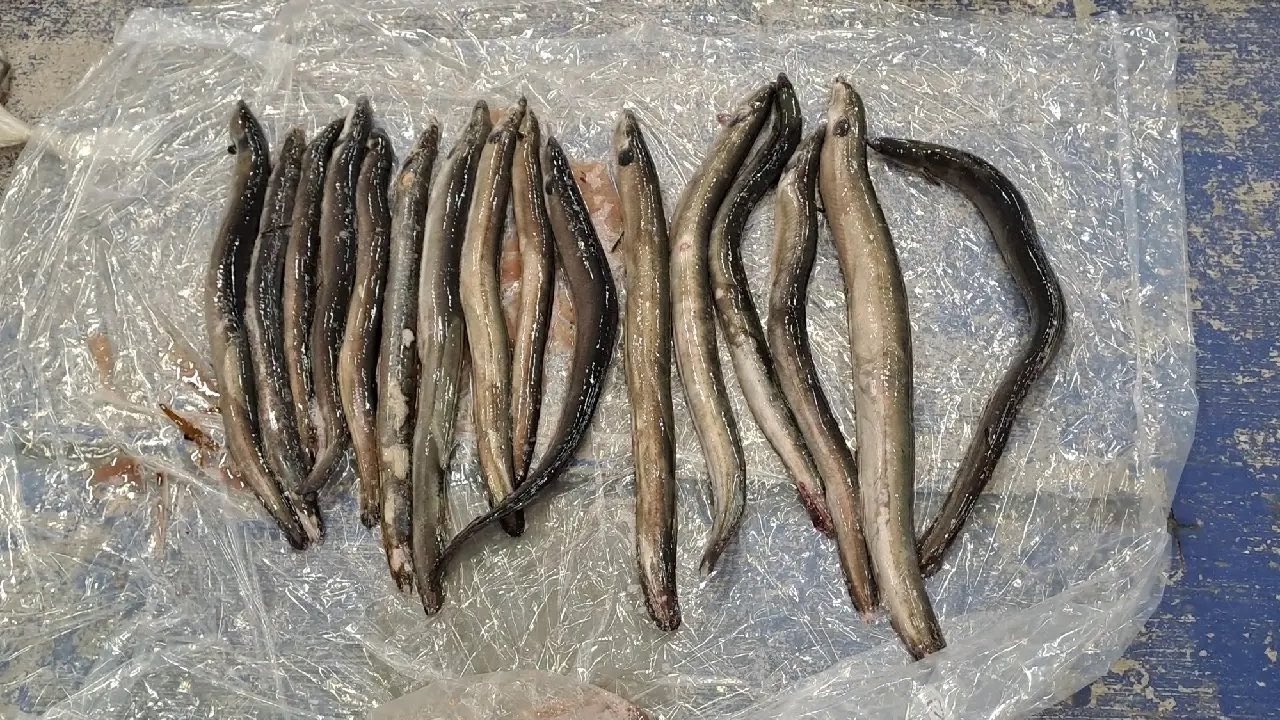
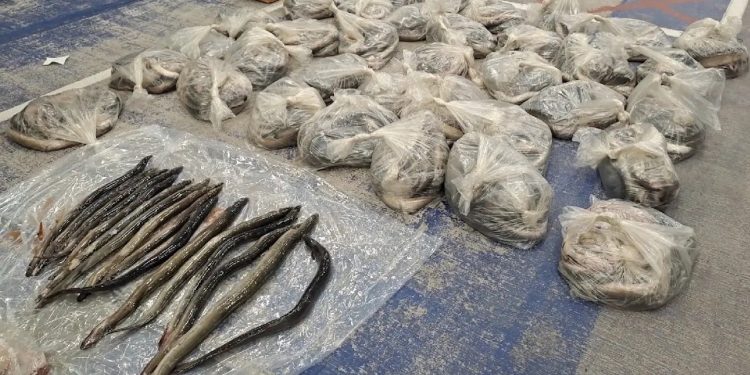
16,131 inspections were carried out across Europe, resulting in 26 arrests and 22 tonnes of glass eels seized.
In a trade driven by several organised crime groups, EU nationals sourced the eels through fisheries, while Asian nationals managed smuggling routes out of Europe.
Once outside the EU, the eels were raised in farms and sold on the global market as legitimate fish products. Europol intelligence estimates that up to 100 tonnes of glass eels are smuggled each year, generating €2.5–3 billion annually in peak years. This black market not only threatens an endangered species but also fuels a range of criminality, from tax evasion and food fraud to document forgery and money laundering.
Traffickers relied heavily on forged paperwork to disguise their activities, falsifying catch records and inventing recipients for shipments to evade checks and move tonnes of live eels out of Europe every year.
Throughout this season, Europol coordinated operational activities and provided intelligence and analysis support. Europol experts worked closely with participating authorities, organised operational meetings, and deployed on the ground to support live investigations.
This year Europol brought together more than 20 partners, including law enforcement from EU Member States and third countries, as well as EU institutions. EU Member States Belgium, Croatia, Czechia, Denmark, Estonia, Finland, France, the Netherlands, Portugal, Slovakia, Spain participated, along with partner countries Albania, Canada, Georgia, Switzerland, United Kingdom and the United States, while EU institutions and agencies including Eurojust, the European Commission (DG SANTE), the European Fisheries Control Agency (EFCA), and the European Anti-Fraud Office (OLAF) also participated.