


‘UK and Scottish Government negotiators have worked hard to support sustainable fishing opportunities, and so spare the fleet – and our wider community – from the worst-case economic shocks,’ said Shetland Fishermen’s Association executive officer Daniel Lawson, commenting on 2026 fishing opportunities.
‘However, there is no doubt that 2026 will be a hard year for fishing crews across all fleet sectors. Our internal analysis – shared with governments in advance of negotiations – estimates that the 44% cod cut alone will mean losses of £16m+ for Shetland’s local economy next year. Numbers in government spreadsheets have real life consequences.‘
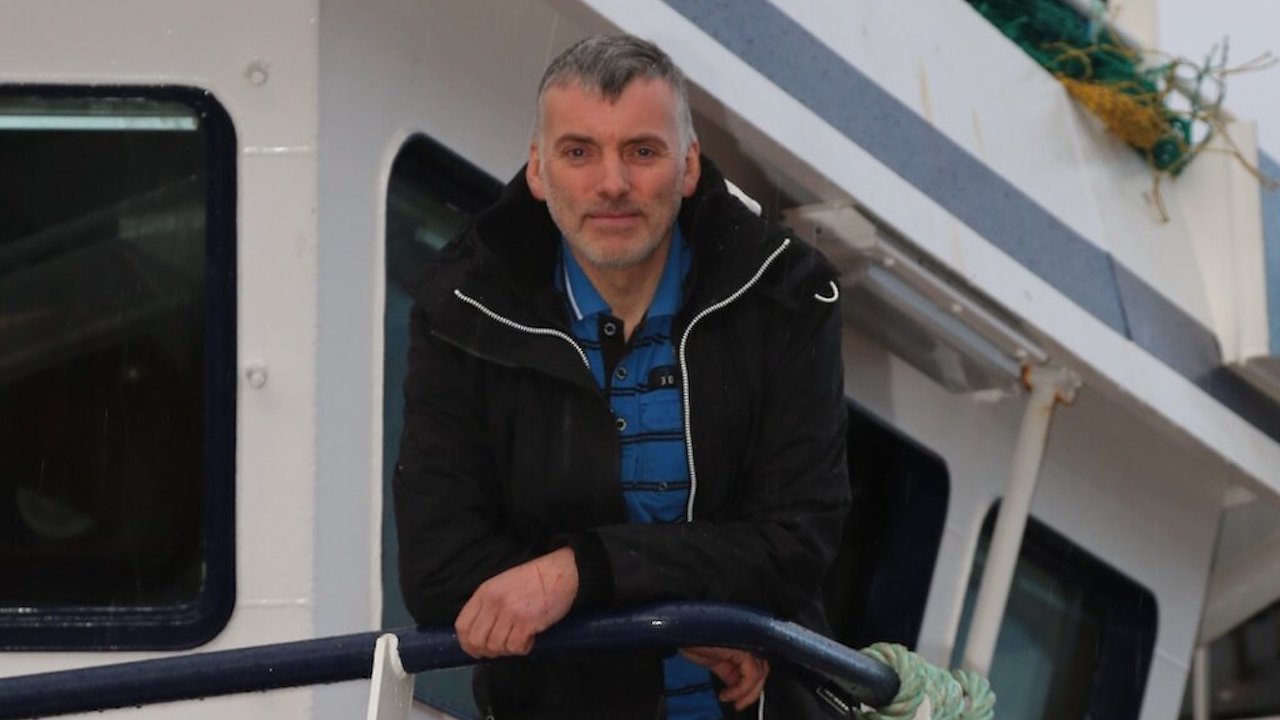
He commented that the economic impact will hit hardest in communities such as Shetland – with family-owned vessels and shareholder crews.
‘The irresponsible assumptions and unsupported guesswork which form the basis of this cod cut reveal the desperate need for investment in evidence-led fisheries science. Fishermen whose livelihoods depend on it deserve serious analysis of data, not arbitrary computer modelling which consistently fails to reflect what fishing crews see every day at sea,’ he said.
SFA chairman James Anderson said that the industry is awaiting the outcomes of other negotiations before taking full stock for the year ahead.
‘With quota cuts expected across our most valuable whitefish and pelagic stocks, our industry will once again be forced to step up and show its resilience. Governments must now consider what support they can offer, because no business can survive on resilience alone,’ he said.
‘While Shetland fish stocks will bounce back, as they always have, we must all take care to ensure that a locally owned fishing fleet is still here to help Shetlanders benefit from that rich resource. The alternative – extractive, external fleets profiting from our fish stocks while Shetlanders watch from the shore – would be a basic injustice and an unforgivable travesty.’