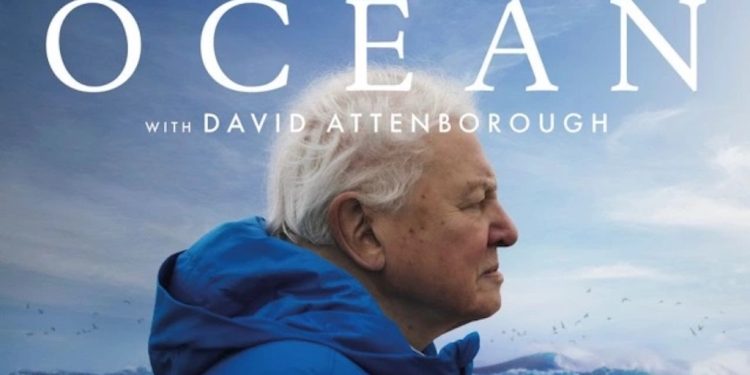





Ocean with David Attenborough hasn’t made quite the expected splash, but could be a slower burn with staying power, according to professor Ray Hilborn at the University of Washington School of Aquatic and Fishery Sciences – ‘unlike Seaspiracy or any of the other hyperbolic drivel that peak in popularity and flame out.’
‘It may not capture attention like Seaspiracy, but it has a much higher chance of influencing future students, PhDs, and NGO employees,’ he predicts.
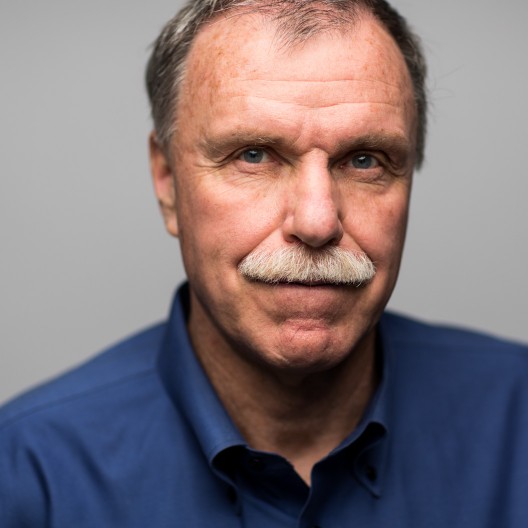
‘I certainly agree that the ocean is under threat in many places, and action is needed. I agree with David Attenborough that the oceans need protection, but let us correctly diagnose the threats and prescribe effective solutions,’ he said, commenting that the film suggests a single solution: no-take Marine Protected Areas (MPAs).
‘However, to prescribe a solution you have to accurately diagnose the threats. While the movie acknowledges concern about global warming on coral reefs, it ignores other aspects of climate change affecting the oceans – the largest threat of all. The film also ignores what is perhaps the biggest threat to kelp forests, sea grasses, salt marshes, and coastal ecosystems: land-based runoff of sediments, pollutants, and near-shore land use in general. MPAs do not reduce those threats at all.’
He states that where overfishing and bycatch are a threat in some places, MPAs are a very poor solution, as they fail to reduce fishing pressure, but instead simply move it outside the MPA boundaries.
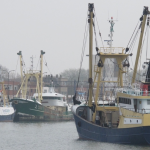
‘The real successes in rebuilding fish stocks in the last 50 years have come from fisheries management measures that reduced fleet size, and catches. We have seen rebuilding of bluefin tuna around the world, Atlantic cod has rebuilt in many places, sockeye, pink and chum salmon are at record abundance in the North Pacific – all due to good fisheries management and intact habitat with no contribution from MPAs,’ he said, pointing out that changes in fishing gear and practices have reduced bycatch of dolphins in tuna fisheries by 98%, and where these methods are applied seabird bycatch by 50-90% , and turtle bycatch by up to 98%.
‘Closing 30% of the ocean would have little impact on bycatch as other areas would get fished harder,’ he said.
‘Ocean with David Attenborough argues that bottom trawling should be banned, simply because poorly-managed bottom trawling has the potential to destroy benthic habitat and have high bycatch. But independent scientific evaluation by the Monterey Bay Aquarium, and the Marine Stewardship Council have shown that well-managed bottom trawl fisheries meet high standards of environmental protection and are sustainable.’
Ray Hilborn makes the point that benthic impacts of bottom trawling need to be managed and minimised, but this is done well in many places – such as the US, New Zealand, Iceland, and many places in the EU.
‘The film ends with an optimistic note that the oceans can recover and shows wonderful footage of rebounding whale populations. This recovery had nothing to do with MPAs!’ he states.
‘Instead, traditional fishery management techniques worked. If 30% of the oceans had been closed to whale hunting, the great whales would have simply been harpooned outside the MPAs and we’d likely have no whales today.’