




The Pelagic Freezer Trawler Association (PFA) is partnering with GreenFish to develop a new AI model that aims to predict potential fishing grounds for horse mackerel.
The collaboration brings together GreenFish’s prediction technology with fisheries data collected by the PFA across its member fleets. The expected outcome is a practical new tool, built with the industry to complement the expertise of freezer trawler skippers and existing onboard technology.
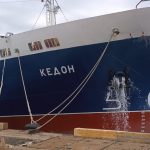
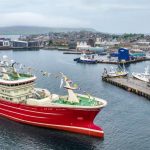
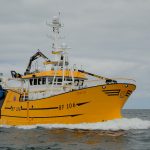
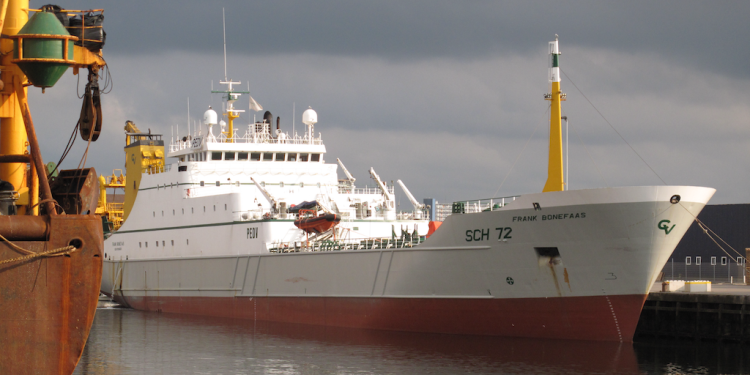
PFA members operate 18 of the world’s largest freezer trawlers, from 55 to 144 metres. These vessels are equipped with sonar and echo sounder systems and all vessels contribute to data collection through the onboard scientific self-sampling programme, providing additional data for science. The new project together with GreenFish builds on these principles.
Using data collected by the PFA, GreenFish will train a machine-learning model to predict where horse mackerel are most likely to be found each day.
The predictions will be delivered as daily heat maps through the GreenFish Platform, giving skippers a clearer picture of likely fishing grounds. Working directly with the PFA means the model will be shaped by the data, experience and operational knowledge of the fleets that will use it.
Better predictions contributes to reduced searching time, enabling more efficient operating and consequently lower fuel consumption.
Although the pelagic fishery already has a low carbon footprint per tonne landed, a PFA representative stated that their aim is to evaluate how GreenFish’s tool can contribute to reducing still further the environmental footprint per tonne of fish landed. In doing so, it may also generate new information for other fisheries where relevant.
The PFA will also lead a scientific validation of the model using fishing positions not included in the training data, alongside independent survey data.