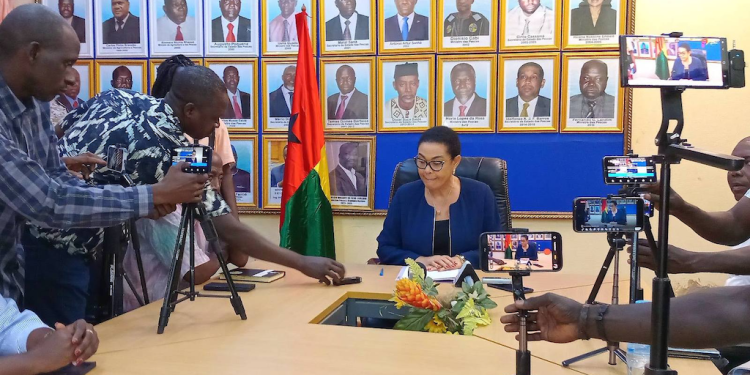



Production of fishmeal and fish oil has been banned by Guinea-Bissau, with an announcement to this effect made by Minister of Fisheries and Maritime Economy Dr. Virgínia Pires Correia.
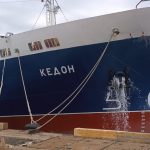
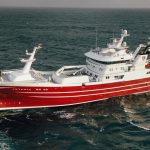
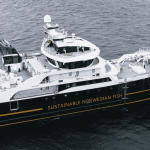
The ban extends to fishmeal production on land and to production and supplying production vessels at sea. The Minister stated that fishmeal production has been expanding in Guinea-Bissau in a number of locations and on board production vessels offshore, and commented that species that are supplied to fishmeal producers are also those in demand for nutrition. As a result, there is a risk to the country’s food security.

The move by Minister Virgínia Pires Correia has been welcomed by TMT, which describes this as a ‘landmark decision,’ marking ‘a significant and welcome step toward greater sustainability of the region’s fisheries.’
TMT states that by banning fishmeal operations both at sea and on land, and suspending authorisations for fishing activities that supply factory vessels, the Guinea Bissau authorities have sent a clear signal that practices which risk laundering of illegal fish into supply chains, are curtailed.
‘This ban goes a long way to support the regional consensus that small pelagic fish should be redirected for direct human consumption rather than fishmeal for aquaculture feeds,’ a TMT representative commented.
‘For TMT, this is a significant milestone. Over several years, we have documented these at-sea fishmeal operations which represent a major blind spot for fisheries monitoring control and surveillance. It is also clear that additional collaborative analysis produced with the Joint Analytical Cell, including satellite imagery provided by Skylight and analysis from C4ADS, contributed to strengthening the basis for action.’