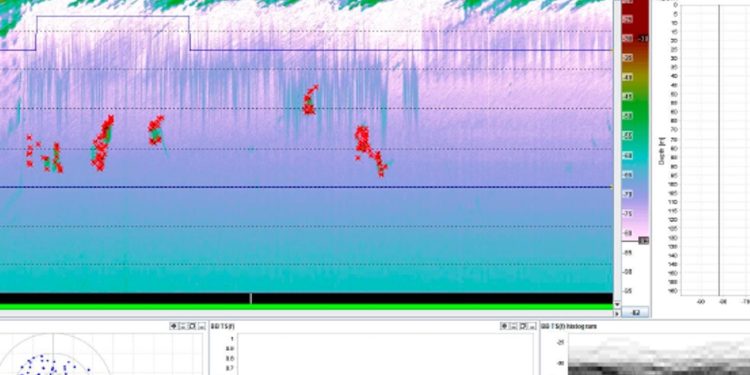





A project funded by Norway’s Fisheries and Aquaculture Industry Research Fund (FHF) is testing broadband sonar technology during commercial fishing operations. The goal is to be able to estimate fish size pre-catch, so as to avoid taking fish that are too small or unwanted.
With this venture, researchers are taking important steps towards developing a tool that could provide fishermen with real-time information about the size of the fish they are targeting, which could lead to some fundamental changes in the way they work.
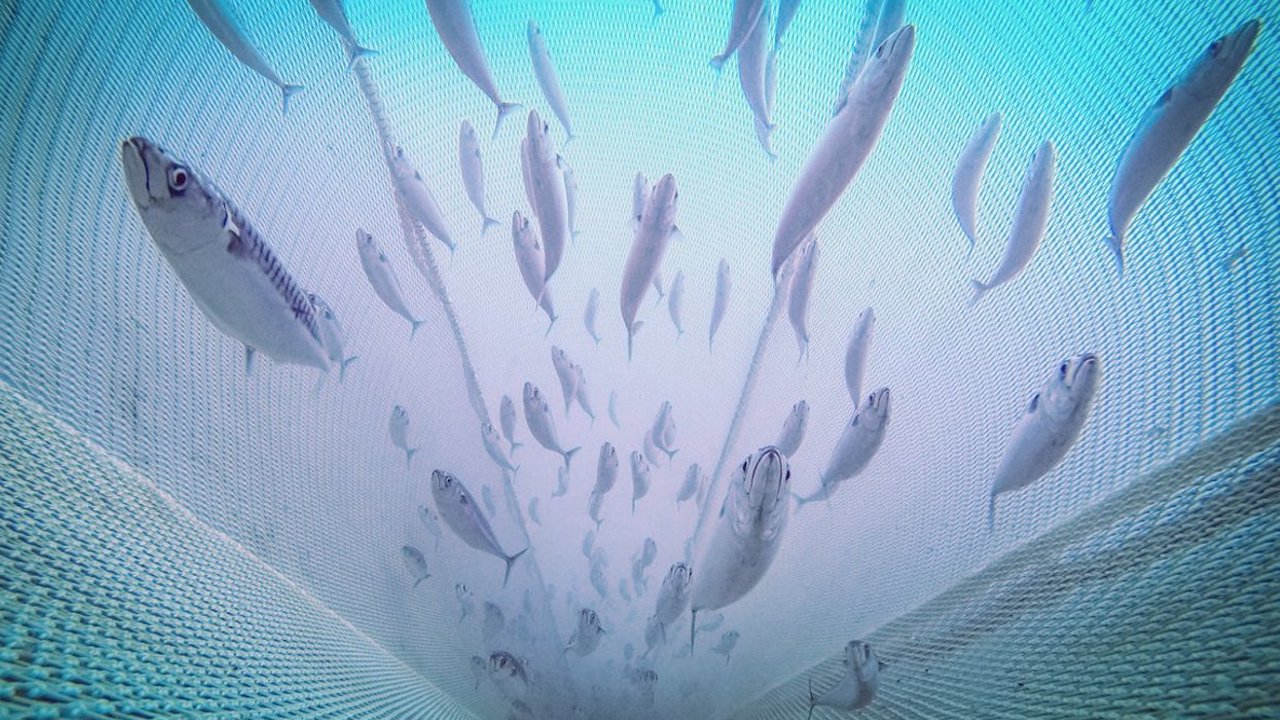
The Institute of Marine Research (HI) has led the project, and has also contributed financial resources to the project, with the involvement of the Lie Group.
Currently, it’s not generally possible to assess fish sizes until catches are on board, which can result in time and resources being expended to catch fish that are of low value or that are not legal. This new technology would enable fishermen to make better-informed decisions about where and when to fish.
The goal is for the technology to provide information on fish size before shooting away the fishing gear.
There have been challenges along the way. The original method for estimating fish size, which was based on analysis of echoes from individual fish, turned out to be more complex than expected. The reason is that the fish doesn’t just have a simple shape. Dorsal bones and other physical features affect how the echo is perceived.
The team has found an alternative method that seems promising. By measuring the strength of the echo and the angle of the fish, they have been able to make usable estimates of fish size. This is considered a major advance. Although the researchers are not quite there yet, they are now much closer to developing a practical tool for fishermen.
The researchers now plan to fine-tune their methods and test them under even more realistic conditions. They also envision the technology being combined with other tools, such as sonar, to give fishermen an even more complete picture of what is in the ocean.
This development project aims to make the fishing industry even more efficient, profitable and sustainable.