




A new study shows that marine heatwaves on the seafloor could be more than 50% more frequent in future than at the surface of the ocean during hot summer months, a worrying prospect as bottom-dwelling species cannot escape the rising temperatures. Ripple effects could spread across entire ecosystems and to humans.
A marine heatwave is defined as a period lasting at least five days in which sea temperature is greater than the 90th percentile of historical temperatures for that time of year.
Led by Plymouth Marine Laboratory’s Dr Robert J. Wilson, the study investigated how marine heatwaves will change in the future on the northwestern European shelf, a vital marine ecosystem that provides ecological, cultural and economic services to many countries.
This is one of the world’s most heavily fished regions and also has the world’s fastest growing offshore wind industry. Understanding how climate change will affect the region is seen as critical to enabling effective spatial and fishery management into the future.
PML reports that marine heatwaves are becoming more frequent and severe due to climate change. These extreme events harm ocean life by pushing temperatures beyond what many species can tolerate. Negative impacts on seaweeds, seagrasses, seabirds, coral reefs, crustaceans, fish and plankton, among others, have been recorded.
The impacts of marine heatwaves on the sea surface and seafloor are likely to be distinct. Pelagic species can usually swim across large regions and can therefore acclimatise – or reorganise – in response to climate change relatively quickly. However, in contrast, organisms living on the seafloor have limited mobility and are therefore more likely to suffer negative impacts.
Until now, most studies have focused on heatwaves at the ocean surface, but little has been known about what may happen on the seafloor in the future. Using the latest regional climate models, Dr Wilson and colleagues from Plymouth Marine Laboratory and the National Oceanography Centre found that heatwaves will become much more common – especially at the seafloor, where natural temperature changes are usually smaller. By the end of this century, global warming could cause most of the year to be classed as a marine heatwave, such as with February temperatures far exceeding those typically seen in mid-winter.
In addition to lead scientist Dr Robert Wilson, a multi-disciplinary team from PML were involved in the study, including Dr Yuri Artioli, Prof. Ana Queirós, and and Dr Giovanni Galli – who is since positioned at the National Institute of Oceanography and Applied Geophysics (OGS). From the National Oceanography Centre, authors include Dr James Harle, Prof. Jason Holt and Dr Sarah Wakelin.
‘Until now, we have largely predicted future marine heatwave rates based on what will happen on the sea surface. We have shown that this can be highly misleading for critical European seafloor ecosystems, where climate change will cause more frequent extreme temperatures than at the sea surface,’ Dr Wilson said.
‘It is therefore critical that marine heatwave monitoring and assessment move beyond the surface and shift to a 3D view of the ocean.’
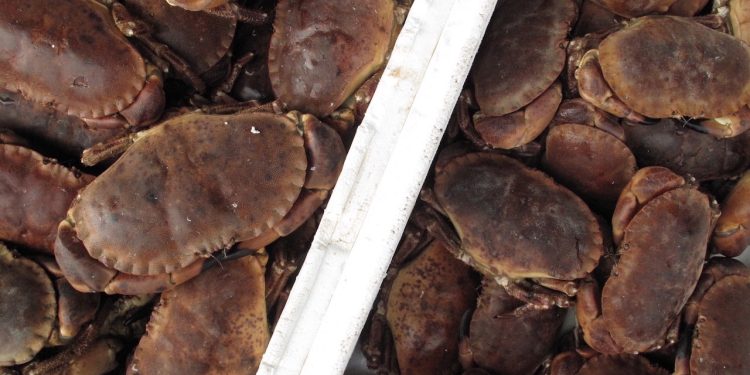
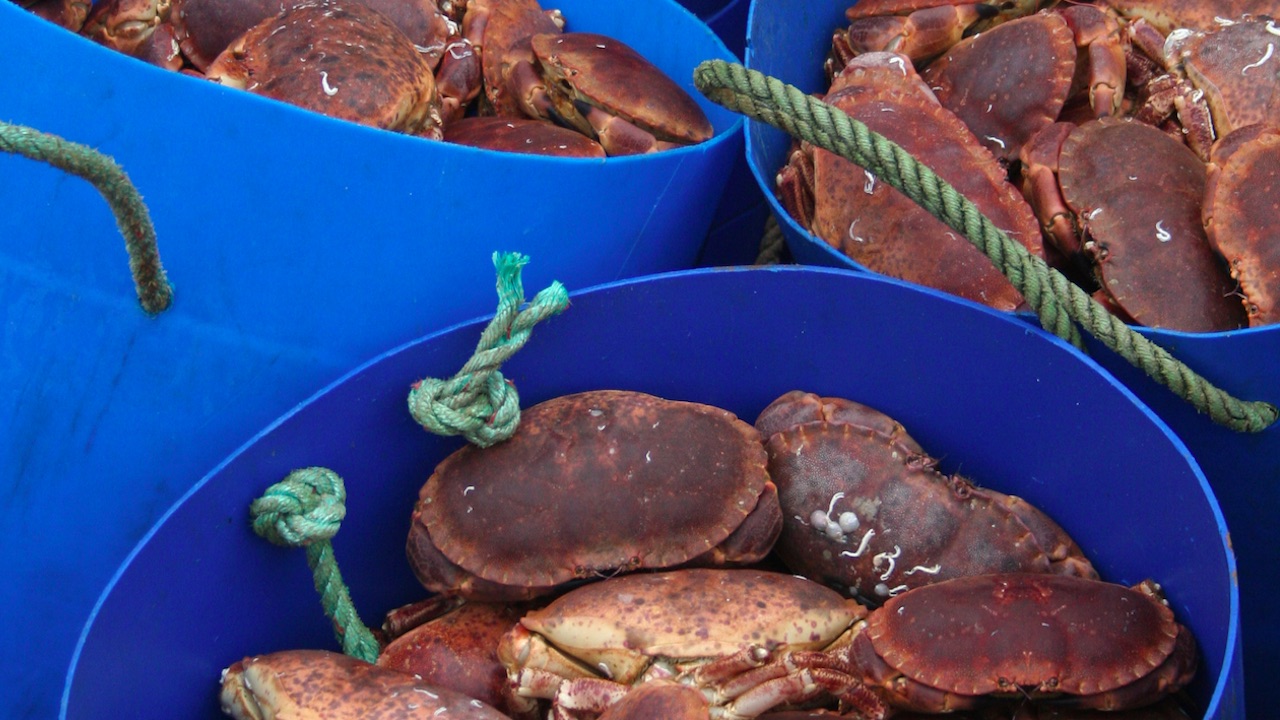
The study’s findings show that heatwaves on the seafloor are expected to increase even more than at the surface. This is important because many marine species that live on the seafloor, such as fish, shellfish, and other bottom-dwellers, cannot easily move to cooler areas. These species – and the people who depend on them – could be hit hardest by the changes.
By using high-resolution models that capture regional details better than global models, the study gives a clearer picture of how climate change could impact shelf seas. The results underline the need for future marine planning and conservation strategies to take account of changes both at the surface and deep underwater.