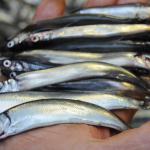





The 2027 TACs for commercial Baltic species include increases for sprat (+44%), central Baltic herring (+71%), Bothnian herring (+12%), Riga herring (+11%) and plaice (+2%), while by-catch-only limits remain in place for cod, as well as a ban on recreational fishing for cod throughout the Baltic.
Despite the TAC increases for some species, the European Commission notes that ‘the dire environmental state of the Baltic Sea leads to the pressing need to fully implement the EU legislation at all levels in an effective and systematic manner.’
Catches of main basin salmon and Gulf of Finland salmon remain the same than for 2026. In the main basin, salmon catches are limited to by-catches, except during the summer in the coastal areas of the Åland Sea and the Gulf of Bothnia.
Western Baltic herring has what is effectively a by-catch-only TAC, but the Council maintained an exception for small-scale coastal fishers.
Industry body Europêche sees the limits agreed by ministers as providing a more positive outlook for several Baltic fisheries, recognising positive developments in several key stocks, particularly in small pelagic stocks
According to Europêche, the recovery of key stocks, including central Baltic herring and sprat, challenges alarmist claims that portray the Baltic Sea as being in collapse. Ahead of the 2027 decision, the sector urged the Commission to follow ICES advice and reject extreme precautionary measures based on perceptions or unsubstantiated calls rather than scientific evidence.
‘The EU fishing sector has shown responsibility and resilience, implementing substantial reductions and restrictions in recent years to support stock recovery,’ a Europêche representative commented.
‘The positive developments suggest these efforts are beginning to bear fruit. Europêche stresses that future decisions should continue to follow the best available scientific advice while supporting sustainable fisheries and the viability of Baltic fishing communities.’
Europêche states that Baltic waters require action beyond fisheries management.
‘The EU must tackle all major environmental pressures, including nutrient pollution, chemical contaminants, climate change and predator impacts, through a comprehensive, science-based approach that fully involves the fishing sector in shaping solutions,’ Europêche’s spokesperson said.