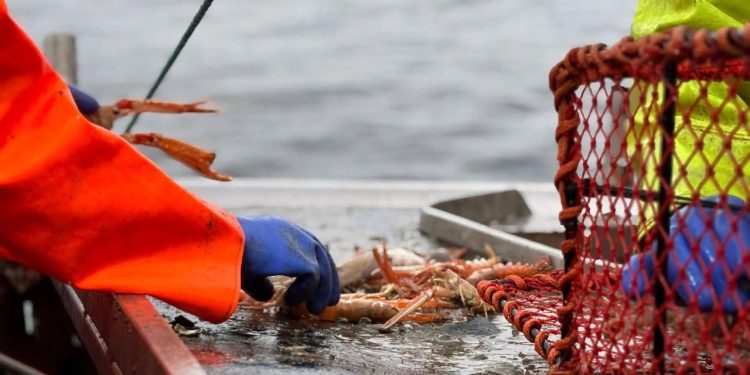





A project is underway to assess the sustainability and economic factors for a creel fishery for langoustine (nephrops, Norway lobster) in Danish waters, where this has historically been a trawl fishery.
The project is based on data from countries with well established creel fisheries and on experiments on board a commercial Danish vessel.
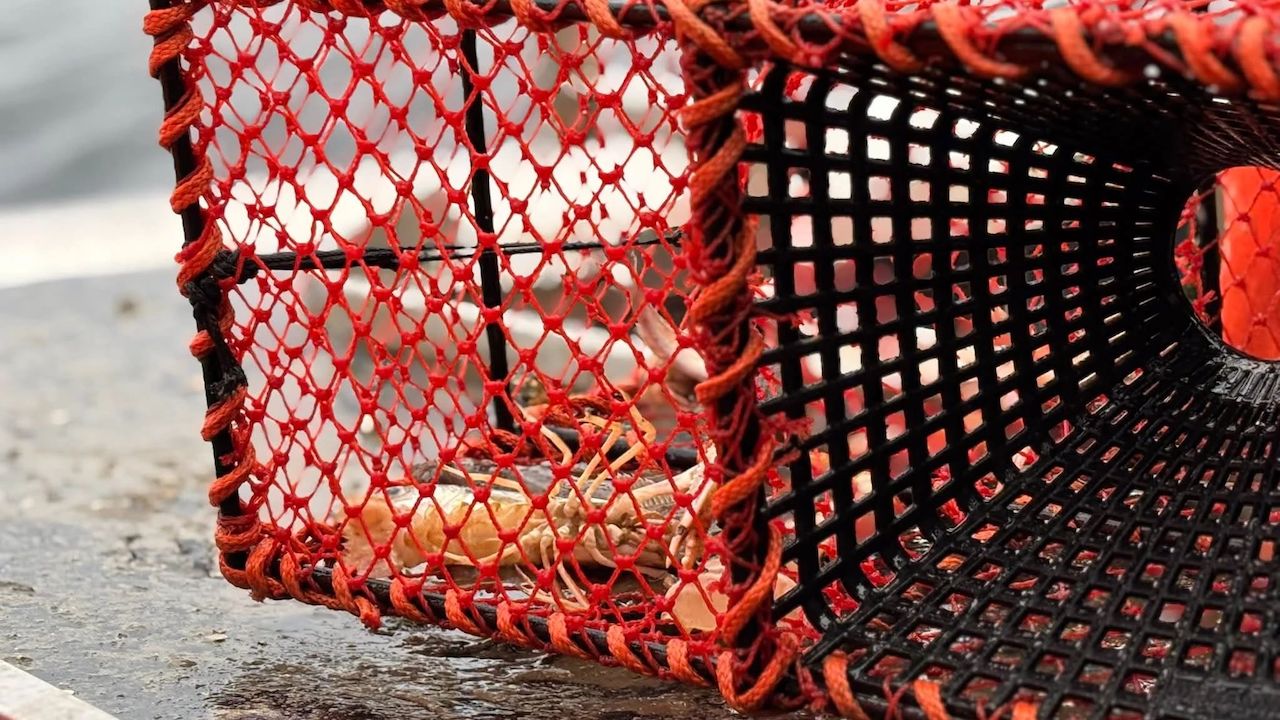
According to DTU Aqua, factors including the rising prices of fuel, anticipated CO2 levies, the establishment of trawl-free zones, and increasing interest in sustainable foodstuffs could tip the balance for the optimal gear choice – and has sparked interest among fishermen, buyers, and consumers.
The aim of the JomfruTejn project, which brings together collaborative partners the Technical University of Denmark, the Danish FPO, the University of Copenhagen and Læsø Fiskeindustri A/S, is to document the factors essential for a switch to creel fishing for langoutine in Danish waters, with a scope that includes profitability, CO2 emissions and bottom impact.
The resulting data is intended to inform the public debate around Danish fishing and increase the decision-making basis for the individual fisherman, for the industry and for the administration, and to promote the sustainable development of the fishing sector.
Langoustine is efficiently fished with trawls and the Danish fishery has, on average, resulted in a first-hand value of DKK 197-328 million annually over the past three years. This is entirely a trawl fishery at present.
Langoustine can be fished in traps, but quantities per fishing trip tend to be considerably smaller than, although with catches landed live, they typically attract a higher price.
Previous studies have shown a significantly smaller climate footprint associated with a creel fishery, and thhe existence of established creel fisheries in other areas demonstrates that these are profitable under those specific conditions – although these studies are not directly transferable to Denmark for a variety of reasons.
Suitable fishing grounds tend to be more distant, plus there is only a limited local market for live lobsters in Denmark, and extra storage and transport of the lobsters can therefore affect both the price structure and the CO2 footprint.
Experimental fishing will take place over two seasons to build up suitable experience and adapt the fishing to Danish waters. Data from the experimental fishery will be included in the evaluation of the langoustine fishery, with creels and trawls compared against each other.
Economic evaluation also includes an analysis of the market opportunities, as well as an assessment of the environmental consequences of changing fishing methods, which includes both the physical impact on the seabed, bycatch, and resources and emissions associated with the fishing activity.