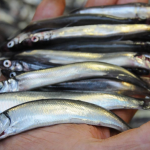
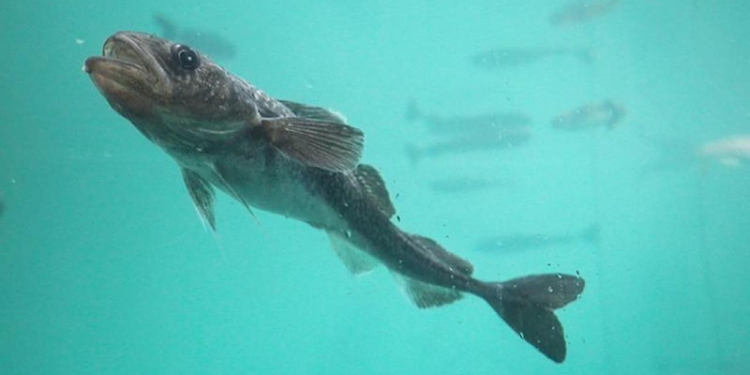




A key species across the entire Arctic region is increasingly under pressure due to climate change. A new study of Arctic cod by researchers from the Greenland Institute of Natural Resources documents both a decline and a northward shift in the distribution of the Arctic cod around Greenland since the early 1990s.
The findings of their research have been published in Arctic Science and this sets out changes in the abundance and distribution of Arctic cod that have far-reaching consequences for other fish and for seals – and also for human hunting and fishing opportunities.
Arctic cod plays a central role as an important intermediate link in the food chain in the Arctic marine ecosystems, transferring up to 75% of the energy to higher links in the chain.
Researchers used a combination of traditional demersal trawl surveys with surveys of local knowledge from fishermen and trappers in Greenland to map the distribution of polar cod. The results show that polar cod in both West and East Greenland have moved northward, while their numbers have declined.
The changes have occurred surprisingly quickly and are associated with unfavourable conditions for early life stages, including rising sea surface temperatures, reduced sea ice cover and a change in the composition of zooplankton, which provide a key food source for polar cod larvae and fry.
Data indicate that ringed seals, which depend on polar cod, have also moved north, supporting that climate change is affecting the entire ecosystem. Factors such as predation by Atlantic cod and commercial fishing were also examined, but climate appears to be the dominant driving force behind changes in polar cod numbers and distribution.