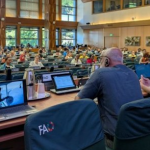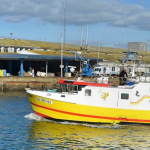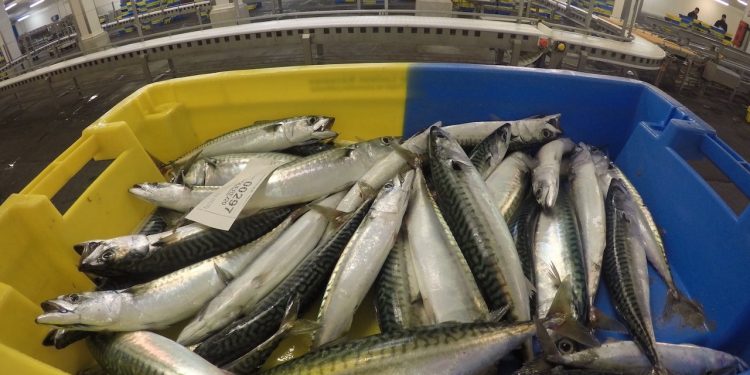





The Seafood Ireland Alliance (SIA) has warned that the future of Europe’s most valuable pelagic stock is in jeopardy after Coastal States once again failed to reach agreement on management of the mackerel fishery. Despite stark warnings from scientists on the state of the stock, negotiations in Clonakilty ended with an impasse.
Over two days, representatives of the SIA attended the Coastal States negotiations involving the EU, UK, Norway, Faroes, Iceland and Greenland.
These talks aimed to establish agreement on sharing of the mackerel TAC from 2026 onwards. While ICES has issued dire warnings about the state of the stock, no agreement was reached. Parties remained entrenched in their positions, despite strong efforts by the EU to inject urgency into the process.
The SIA, which attended the negotiations as observers, has welcomed the EU’s firm stance in the talks, stating that only the EU delegation demonstrated any sense of urgency by calling for immediate agreement on measures to reduce fishing pressure.
According to ISWFPO chair Patrick Murphy, the EU is right in calling this an emergency.
‘We need an immediate, unified and responsible approach by all parties if the stock is to recover. Other parties, particularly Norway, seem in denial on the state of the stock, despite consistent scientific warnings to the contrary,’ he said.
Norway, the Faroes and the UK rejected alternative proposals put forward by the chair for a short-term sharing arrangement as part of a recovery package.
Instead, they pushed for a counterproposal the SIA sees as a strategy to lock in inflated unilateral quotas.
As part of this counterproposal, Norway and the Faroes would transfer part of their share to the UK, to maintain access to fish in UK waters.
‘They present it as responsible, but in reality, it simply justifies consistent overfishing. That’s the truth our industry is living with,’ said Aodh O’Donnell of the IFPO, describing the so-called trilateral agreement as nothing more than a quota grab.
The EU also pressed for limits on Russian vessels fishing in international waters during the summer months. This year saw a surge in Russian effort, but with little or no monitoring of their catches.
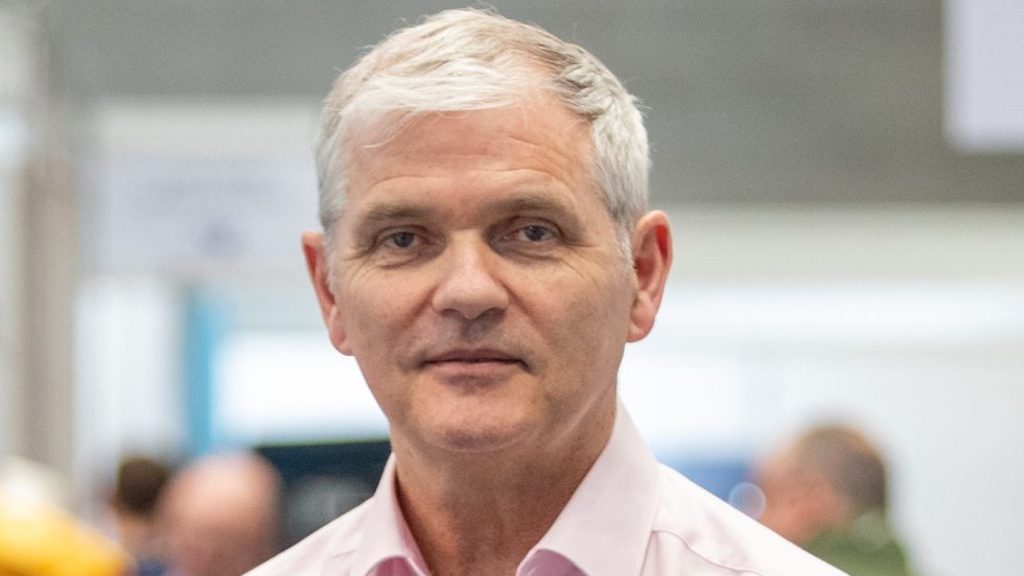
‘Their catching and freezing capacity far exceeds sustainable levels, yet we have almost no accurate figures on what they catch,’ said Dominic Rihan of the KFO, commenting that the scale of Russian activity is deeply worrying.
‘The EU is right to raise the alarm. Claims by others that this is an exaggeration are simply preposterous.’
The SIA left Clonakilty with growing frustration at the lack of urgency and denial about the scale of the crisis.
‘Huge profits from overfishing have blinded some industries to reality,’ Aodh O’Donnell said.
‘Meanwhile our fleet is facing bankruptcy next year without EU and Government support.’
Talks will resume in October, when the full extent of proposed scientific cuts will be known. The SIA hopes that by then, the stark figures may act as a catalyst for meaningful action.