




The entry into force ten years ago of the FAO Agreement on Port State Measures (PSMA) marked a major milestone in efforts against illegal, unreported and unregulated (IUU) fishing.
In the Mediterranean and the Black Sea, the General Fisheries Commission for the Mediterranean (GFCM) has translated these global commitments into regional action. The region has been implementing key port states measures since as early as 2008, notably by channelling the use of technologies such as vessel monitoring systems (VMS), which are now required on national fleets. The GFCM has also established an IUU vessel list and conducts joint inspection schemes.
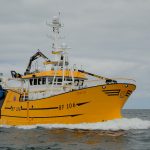
A major step forward was reached this year under the GEF-funded Fisheries and ecosystem- based management for the Black Sea (FishEBM Black Sea) and Fisheries and ecosystem-based management for the Blue Economy of the Mediterranean (FishEBM Med) projects. By the end of 2026, over 850 vessels, the majority of the Turkish industrial fishing fleet, will be equipped with advanced vessel monitoring system (VMS) transponders.
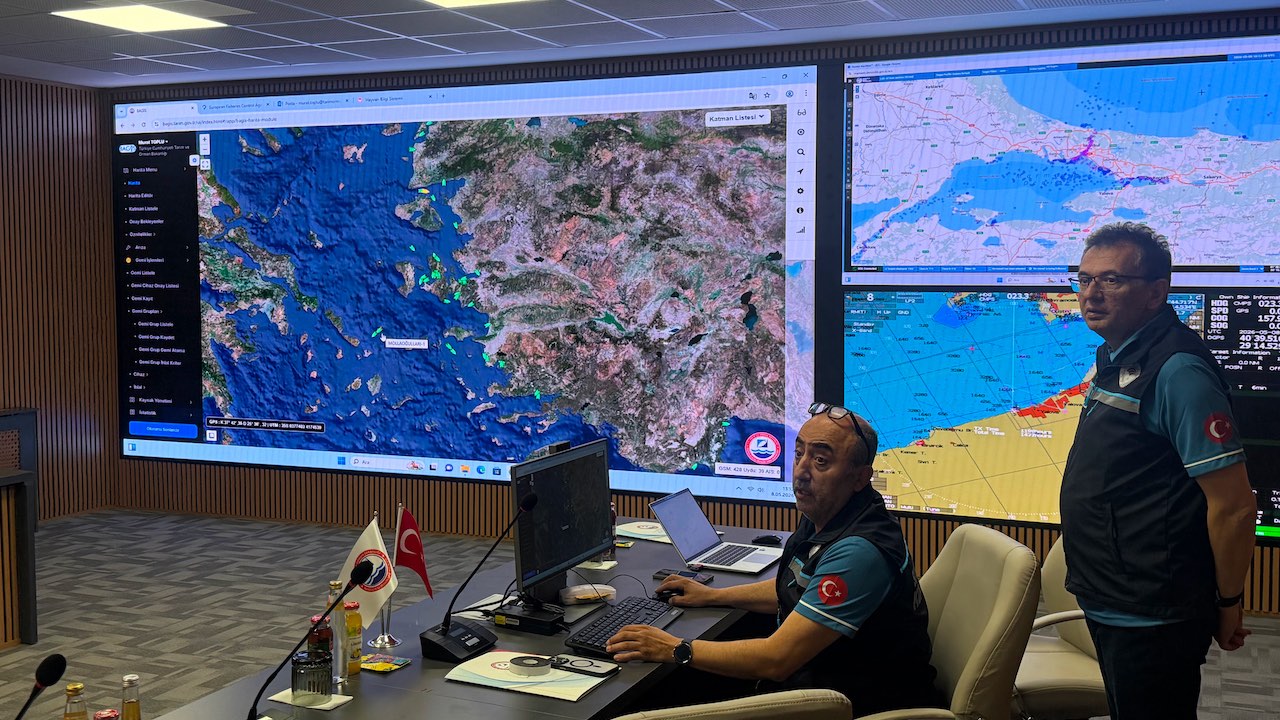
Türkiye operates the largest fishing fleet and accounts for the highest capture production in the GFCM area of application. The deployment of the new devices, together with the inauguration of the Marmara Fisheries Control Centre in Yalova on 8th May 2026, marks a significant step forward in strengthening regional monitoring, control and surveillance (MCS) capacity.
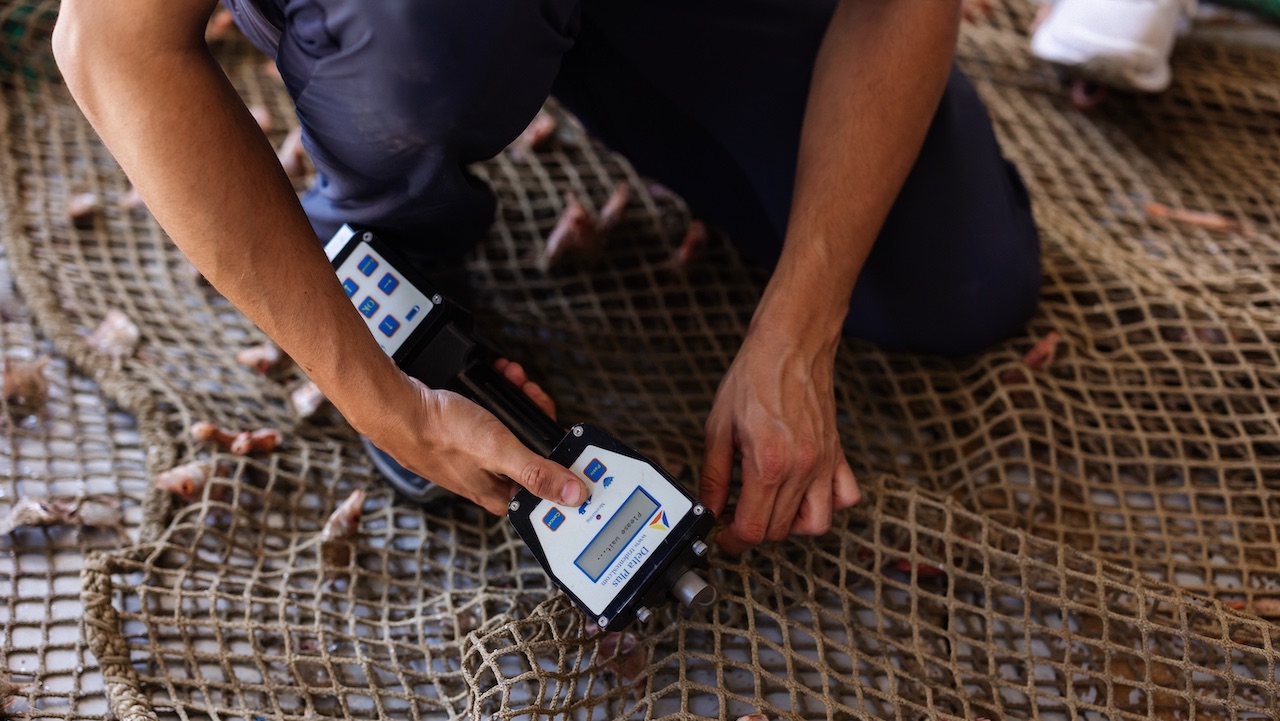
The devices will provide authorities with real-time operational data, including position, speed and heading, enabling real-time tracking of vessels. They will also generate alerts when vessels operate in fisheries restricted areas or engage in activities where fishing is prohibited.
The devices will provide authorities with real-time operational data, including position, speed and heading, enabling real-time tracking of vessels. They will also generate alerts when vessels operate in fisheries restricted areas or engage in activities where fishing is prohibited.
Channelling VMS technology for truly regional oversight
Countries across the region have moved to adopt new VMS technology as it allows authorities oversight over large zones that would otherwise be challenging to control. The GFCM has been conducting pilot studies to ensure states choose the technology most tailored to their needs. It also facilitates the instalment of new devices on national fleets. Under the FishEBM MED project, Montenegro and Albania are set to deploy devices on their small-scale fleets later this year.

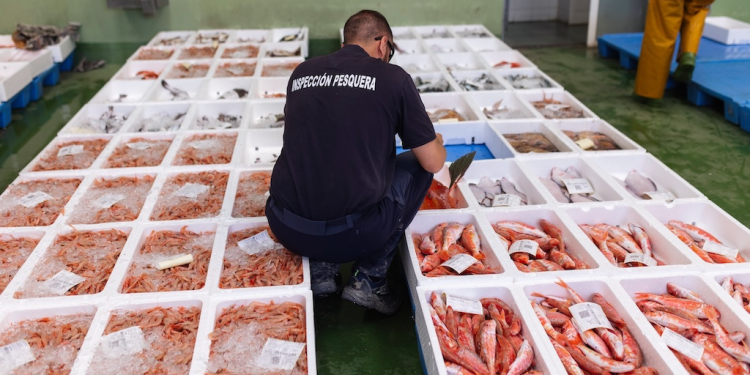
Closing enforcement gaps requires robust monitoring, control and surveillance (MCS) capabilities. Inspectors and fisheries officers from across the region have gathered to bolster their knowledge of MCS tools in three GFCM training sessions in Malta, Spain, and Türkiye. During the trainings, officers also worked towards a more harmonized methodology to better assess IUU fishing, as the phenomenon remains elusive.
In parallel, Albania, Georgia, and Ukraine launched initiatives to develop national plans of action to combat, deter and eliminate IUU fishing (NPOA-IUU), identifying legal and institutional measures needed to align national frameworks with regional standards and international best practices. Türkiye is set to launch its NPOA-IUU shortly.
A decade from the entry into force of the PSMA, Mediterranean and Black Sea countries continue to deliver on international commitments with measurable results. Fishing pressure in the region has declined by around 50% since 2013 and overexploited stocks are at their lowest recorded level in the assessed time series. This progress reflects years of cooperation, commitment and investment in stronger management and control systems.