
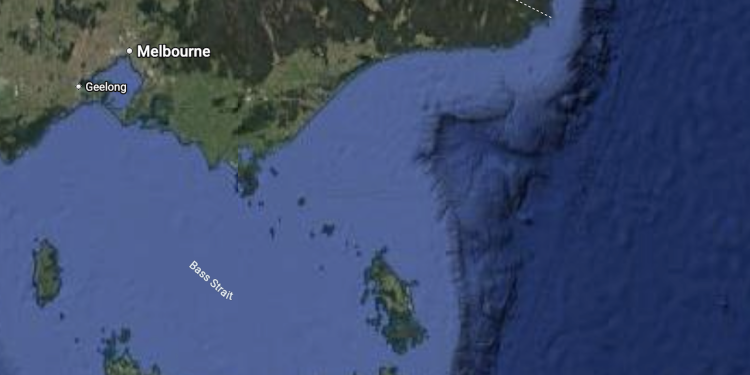





As commercial fishermen have long observed firsthand, marine seismic surveys can have substantial and prolonged impacts on commercial fishing. A new study of the impacts of an extensive seismic survey conducted across traditional fishing grounds in Bass Strait during 2020 has been published.
‘This research validates the experiences of commercial fishers who have consistently reported reduced catches following seismic surveys,’ said Simon Boag, chief executive officer of the South East Trawl Fishing Industry Association (SETFIA).
The findings of this peer-reviewed research found catch rates for school whiting were reduced by 99% immediately following the seismic survey, with significant impacts persisting for up to ten months. Tiger flathead catch rates were reduced by 68% immediately after the survey.
Simon Boag said the findings provide strong evidence that seismic surveys can materially reduce commercial catches.
‘The impacts identified in this study are extremely concerning for fishing businesses, regional communities and fisheries management,’ he said.
The study involved a large-scale, fishery independent impact assessment across 11,000 square kilometres of fishing grounds off Lakes Entrance in South-East Australia. The research highlighted the risk that seismic survey impacts can distort commercial catch rate data used in stock assessments to determine sustainable catch limits.
SETFIA said the findings reinforce the need for stronger scrutiny of seismic survey proposals in productive fishing regions and for meaningful engagement with commercial fishing operators before approvals are granted.
‘The research clearly demonstrates that assumptions of negligible impact are not appropriate in all fisheries,’ Simon Boag said. ‘Science-based decision making is critical, but it must be grounded in real world fishery impacts.’