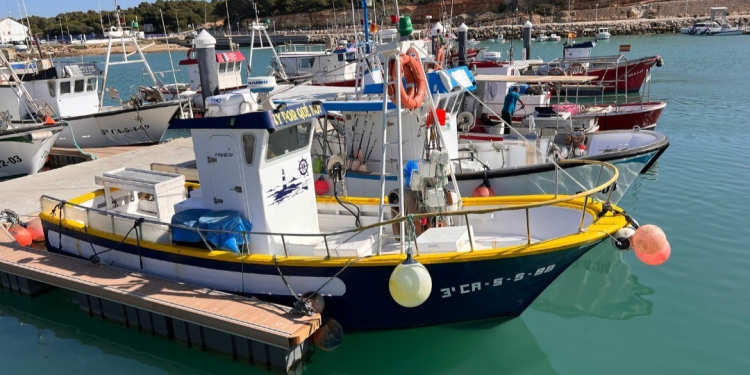





The fishing sector in the Spanish port of Conil is warning that it is facing a serious decline, and has issued an appeal to the authorities for a bluefin tuna allocation for the artisanal fleet to address the situation.
‘This significant imbalance that calls for quick and efficient responses. The data show that our local sector is in a complicated situation, with the uncertainty of knowing how to face the near future,’ said Nicolás Fernández, the manager of the Organisation of Artisanal Fishing Producers of the Conil Fish Market (OPP72).
He stated that over the period from 2015 to 2024, landings to the market have dropped from 711,829kg in 2015 to 364,632kg last year – a decrease of 48.8%. This has been balanced, to some extent, by high first-sale prices, although sales have fallen from €4,569,093.26 in 2015 to €3,876,102.13 in 2024. That’s a 15.17% drop.
Nicolás Fernández confirmed that 2025 is one of the worst years on record, with significant decreases in catch volume and turnover, which puts at risk the economic viability of more than 200 families that make up the fishing fleet of the port of Conil.
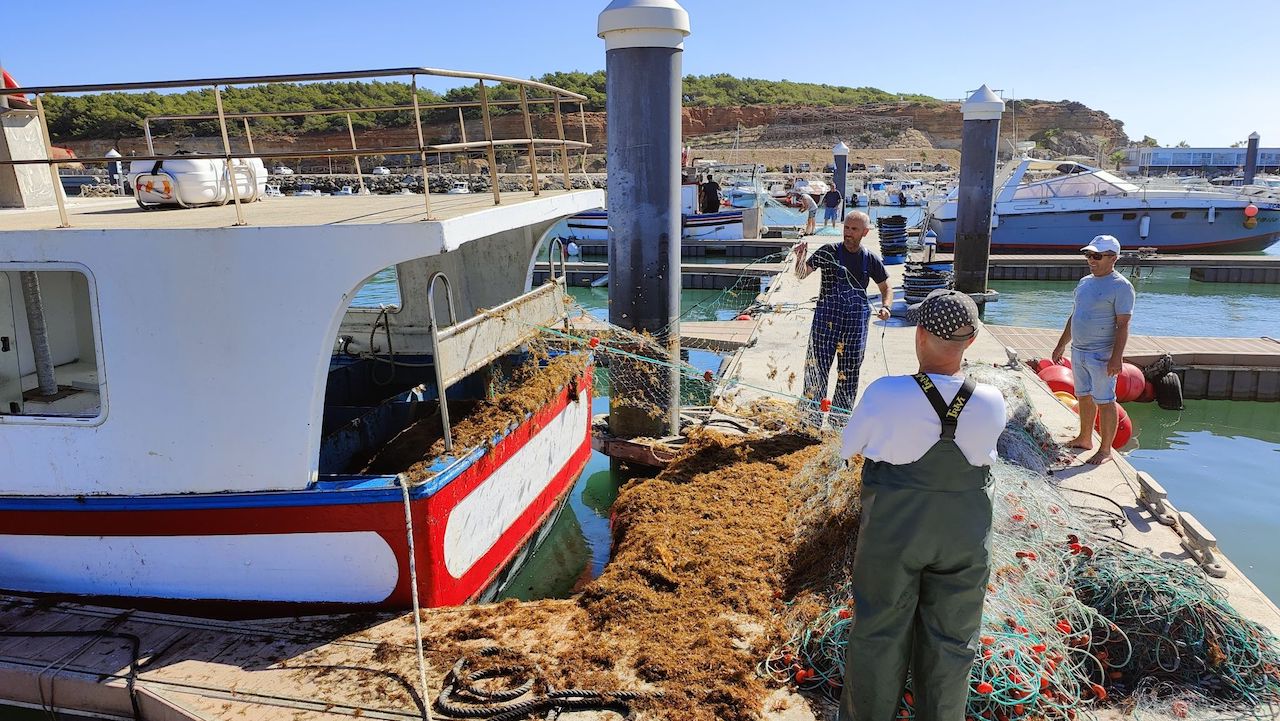
He explained that the proliferation of Asian algae, which clogs nets, and the changing cycles and migrations of fish stocks due to climate change are key factors, plus there is bluefin tuna off the coast, and the presence of this predator has seriously affected the artisanal fleet.
‘The affected families face high fixed and variable costs – contributions, policies, gear, bait and fuel – while their incomes fall significantly,’ he said.
OPP72 has issued a request to the authorities to take immediate measures, including Asian seaweed management programmes with the input of the fisheries sector; policies elating to the effects of climate change on artisanal fisheries and a specific regulation on bluefin tuna for 2026 – as well as direct financial support for artisanal fishing to guarantee its viability.
‘The allocation of bluefin tuna quotas to artisanal fishermen would not only be fair, but also a key tool to alleviate the effects of climate change, the displacement of species and the expansion of Asian algae,’ Nicolás Fernandez said.