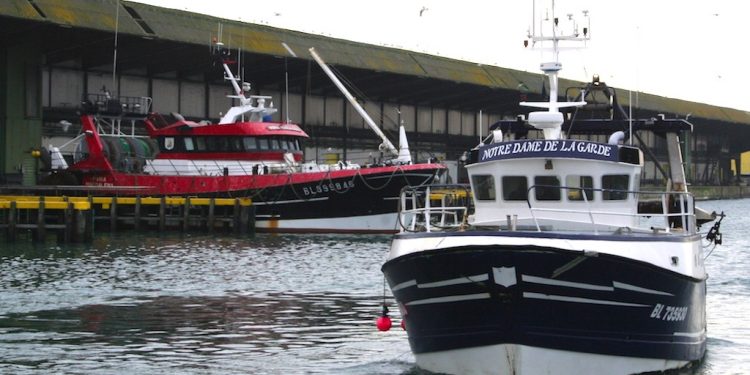





In a joint statement from Belgian, Dutch, French, and UK fishing organisations, the Spatial Squeeze Working Group is registering its concerns relating to Stage 3 of the Marine Protected Areas (MPAs) – which are seen as measures presented without due consideration for socio-economic realities, threatening not only the viability of fishing communities, but also European food security.
‘Given the critical issues that are at stake for our sector, we must highlight the extremely short consultation period, particularly in light of the number of proposed measures and the amount of relevant documentation. As a minimum, we request a deadline extension until the 1st of November,’ a representative of the fishing organisations stated.
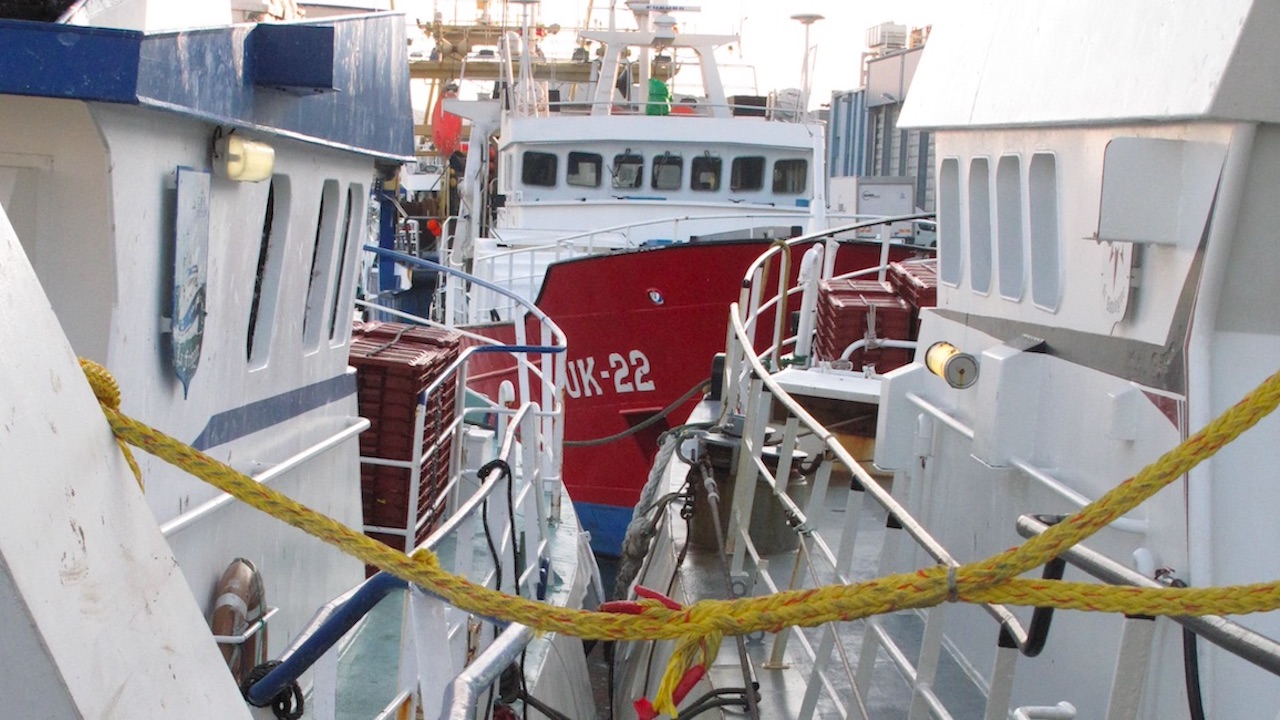
‘The management measures proposed for Stage 3 MPAs ignore ecological nuance, local fishing practices, and existing sustainability gains. The logic behind them is flawed. Rather than aligning with clear conservation objectives, the proposals apply a one-size-fits-all approach with little regard for actual impact. We are not against protection, we are against pretending that protection means exclusion. A healthy ocean needs sustainable fisheries, and sustainable fisheries need space to operate.’
The Working Group points out that in habitat types with high resilience – such as on coarse sediments subject to a high tidal range – measures that completely ban towed gear confuse ‘pressure’ and ‘impact’.
‘The social and economic harm that will result from broad-scale and indiscriminate trawling bans are completely disproportionate to the minimal environmental benefit that may be realised in some sites.’
The group also states that while passive fishing methods are frequently touted as the ecological alternative, used to justify the exclusion of active fishing from MPAs, in certain areas even these are now being banned.
‘The logic behind such blanket exclusions is inconsistent, even contradictory. The fact that passive gears are also banned in certain zones undermines the entire premise. A selective narrative is being applied to justify sweeping restrictions without fully assessing actual ecological impact, compatibility with conservation goals, or the socio-economic consequences for our fishing communities,’ the group’s representative stated.
‘The current proposals go beyond merely assessing direct economic impact, they present an unbalanced and assumption-driven approach. While the de minimis assessment appears focused on minimising direct impacts on fishing businesses, it simultaneously adopts an overly broad interpretation of the indirect benefits of a ban. This selective framing skews the analysis and fails to capture the real-world consequences.’
The Spatial Squeeze Working Group is urging the MMO to conduct a comprehensive and evidence-based evaluation that includes the broader effects of displaced fishing effort, the cumulative impact of growing spatial restrictions, and the socio-economic repercussions, stating that this must also include an assessment of how displacement will affect the ecological integrity of other European stocks and habitats that will experience increased pressure.
‘We also expect the MMO to consider maritime security issues, and to propose concrete and realistic scenarios for cohabitation between uses with the fishing restrictions they envisage. We also note that, there is insufficient evidence that alternative, less harmful approaches were seriously considered in the design of these measures. This highlights the lack of transparent, science-based evaluation at the heart of this process and the lack of proportionality in the measures that are proposed.’
This unique sectoral alliance is calling for a fundamental shift – away from sweeping, symbolic gestures to tailored, science-based management plans for each MPA, through a case-by-case approach.
‘Real protection does not come from declarations crafted for headlines or social media, but from the hard, collaborative work of reconciling nature and livelihoods,’ the group says.
‘We’ve done the hard work – adapted our gear, reduced our effort, engaged in planning. But now we are punished with one-size-fits-all bans. That’s not science. That’s politics.’