


In a session lasting more than two hours there was no hiding the anger and frustration of Irish politicians over what Minister of State Timmy Dooley called an ‘act of betrayal’ that took place when a group of member states successfully blocked the implementation of the Hague Preferences that have historically provided Irish fishing with a level of protection for as long as Ireland has been part of the EU.
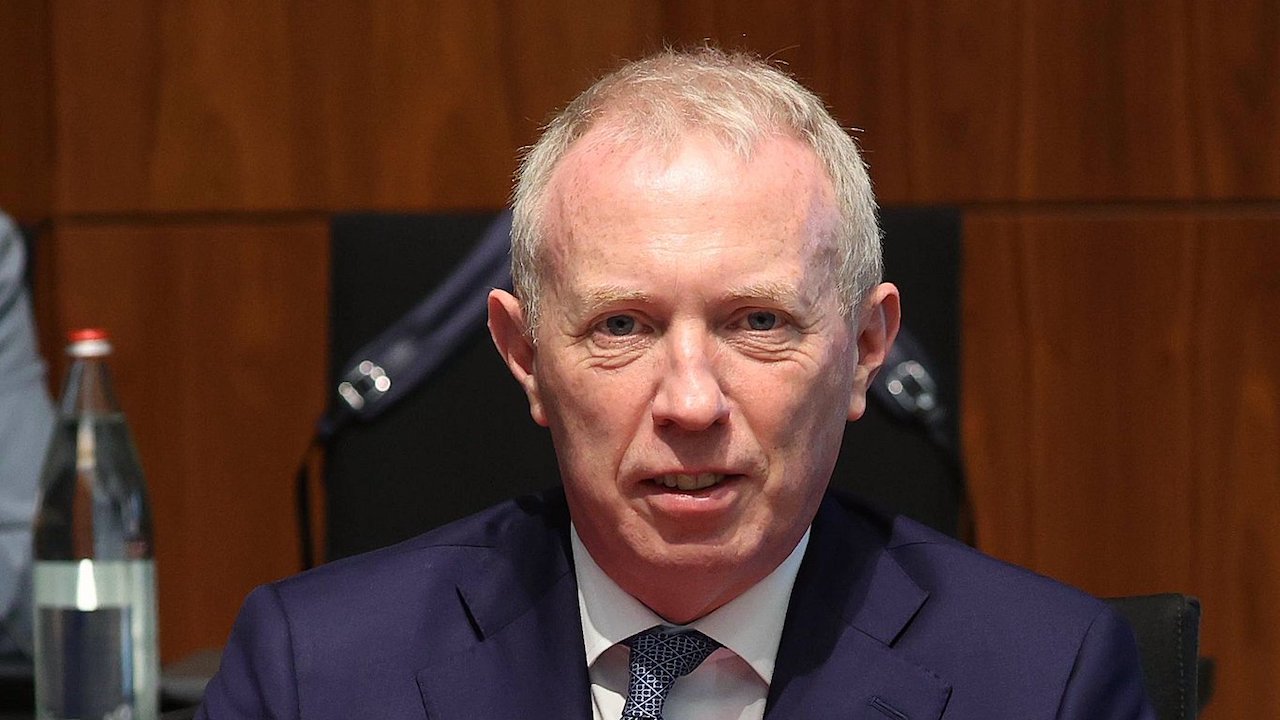
‘Ireland’s fishing opportunities for 2026 amount to approximately over 120,000 tonnes with an estimated first-sale value of €205 million. This represents a decrease of one third – €100 million to €105 million – on the estimated value of the 2025 quota,’ the Minister told the Dial as he set out the two blows hitting the Irish fishing sector.
‘The first concerns the actualisation of the total allowable catch, TAC, being set at the headline ICES advice by the EU, particularly the resultant quotas for pelagic stocks, while the second concerns the fact that Ireland’s invocation of the Hague preferences, which are a key element of our relative stability, was blocked by a group of larger member states led by France and Germany, involving the Netherlands and aided by Poland,’ he stated.
‘It is particularly upsetting that the charge has been led by those who benefited most from access to Irish waters every year since 1983.’
Sinn Féin’s fisheries spokesman Pádraig Mac Lochlainn, who didn’t hold back in apportioning blame or the situation, first to the Irish governments that have historically failed to defend Ireland’s interests in fisheries, but also at a group of European corporations based in the Netherlands.
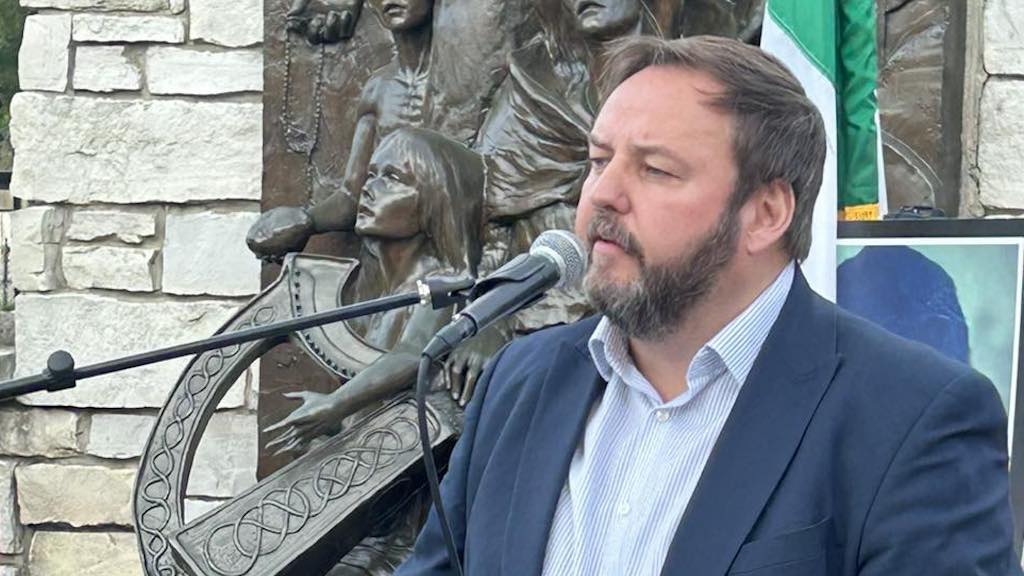
‘Let us talk about why it was that the Netherlands, France, Germany and Poland united to outrageously attack our fishing and coastal communities when they know what happened after Brexit. They know we took the biggest hit from Brexit. Burden sharing never happened. They know that and they would do that to us,’ Pádraig Mac Lochlainn said, and referred to what he called ‘the big five.’
‘These are corporations that co-operate and work together, and that have a collective value of €2.4 billion. It is estimated that by buying up quota across the European Union they have one in six of the fish caught under their control. They are huge. I will name them. They are Parlevliet and van der Plas, Cornelis Vrolijk, Van der Zwan, Alda Seafood and the De Boer family,’ he said. ‘The big one is Parlevliet and van der Plas.’
‘I am asking the Minister of State to take every legal action at his disposal to challenge what happened with the Hague preferences. It just cannot stand, but he must also call out the big five, particularly Parlevliet and van der Plas. There is no doubt that these five companies, but particularly P and P, as it is abbreviated, had more influence over the actions of Germany, France, Poland and their own country of the Netherlands, than Ireland did,’ he said and described this situation as an attack on democracy.
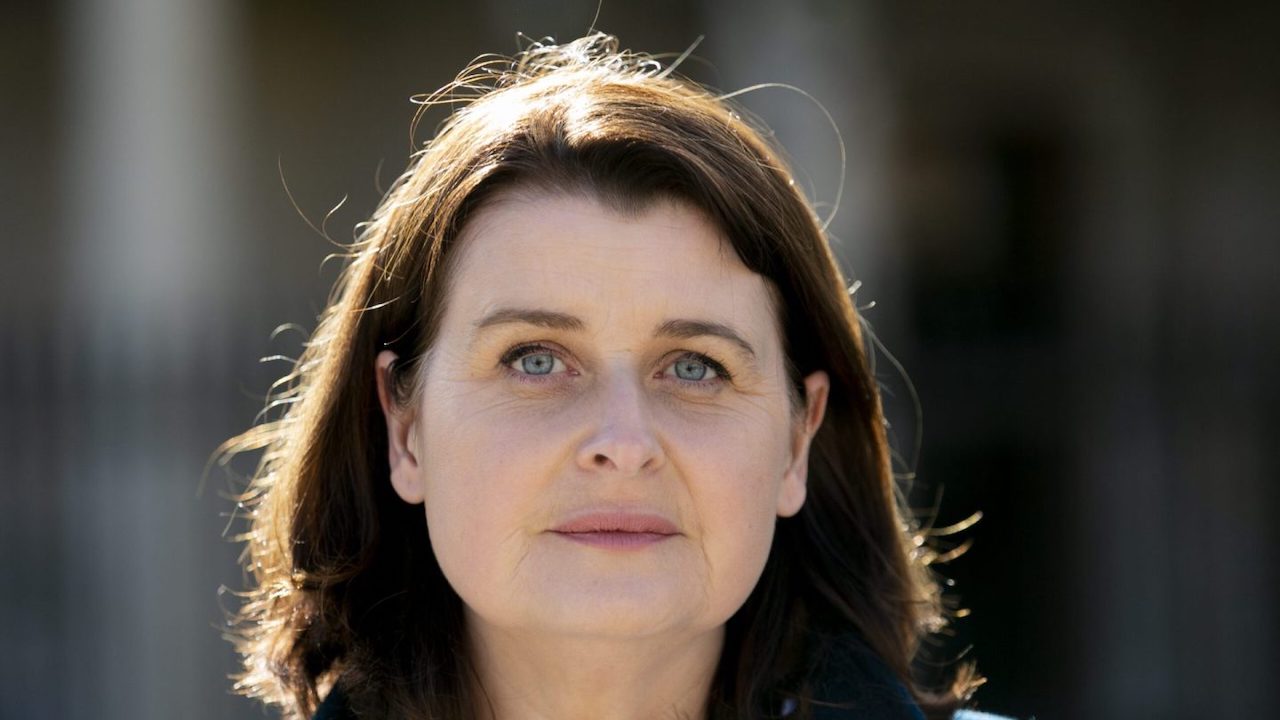
Speaking for the Social Deoncrats, Deputy Jennifer Whitmore commented that ‘for decades, successive Governments have treated our fishing industry as expendable. When Ireland joined the EEC in 1973, our marine resources were traded away so that other sectors could benefit. That betrayal unfortunately continues today.’
‘At the EU Agriculture and Fisheries Council meeting last week, a deal was struck that will see Ireland lose 57,000 tonnes of quota for 2026, a loss valued at around €94 million rising to €200 million in knock-on effects, threatening approximately 2300 coastal jobs.’
‘We need to see a return of the Hague preferences to Ireland and we need to see it now. We really cannot accept this from Europe and I hope the Minister of State will fight very strongly for that,’ she said and pointed to a broader picture of a longstanding failure by the EU to accept scientific advice, and to allocate excessively large quotas.
‘That is one of the reasons we are in this situation,’ she said.
‘There are biological limits as to what we can fish. When Europe is estimating the overall number and quota of fish, it absolutely has to be led by science in that regard. Within that framework and the umbrella of what is available, Ireland has never received its fair share of that quota. However, I absolutely accept that there needs to be a quota system that stays within the biological limits of the populations because it just makes sense. If we overfish and there are not enough mature fish in a population, there will not be enough young fish coming along. That is a key element. What we are witnessing now is the impact of overfishing by all countries.’