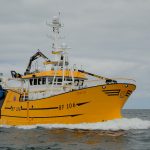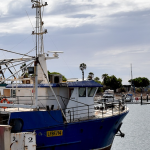






What started as an accidental discovery off the Cornish coast in 2020 is now turning heads across the UK fishing industry. Years of refinement has led to scallop potting becoming a proven and increasingly lucrative fishery in the South West.
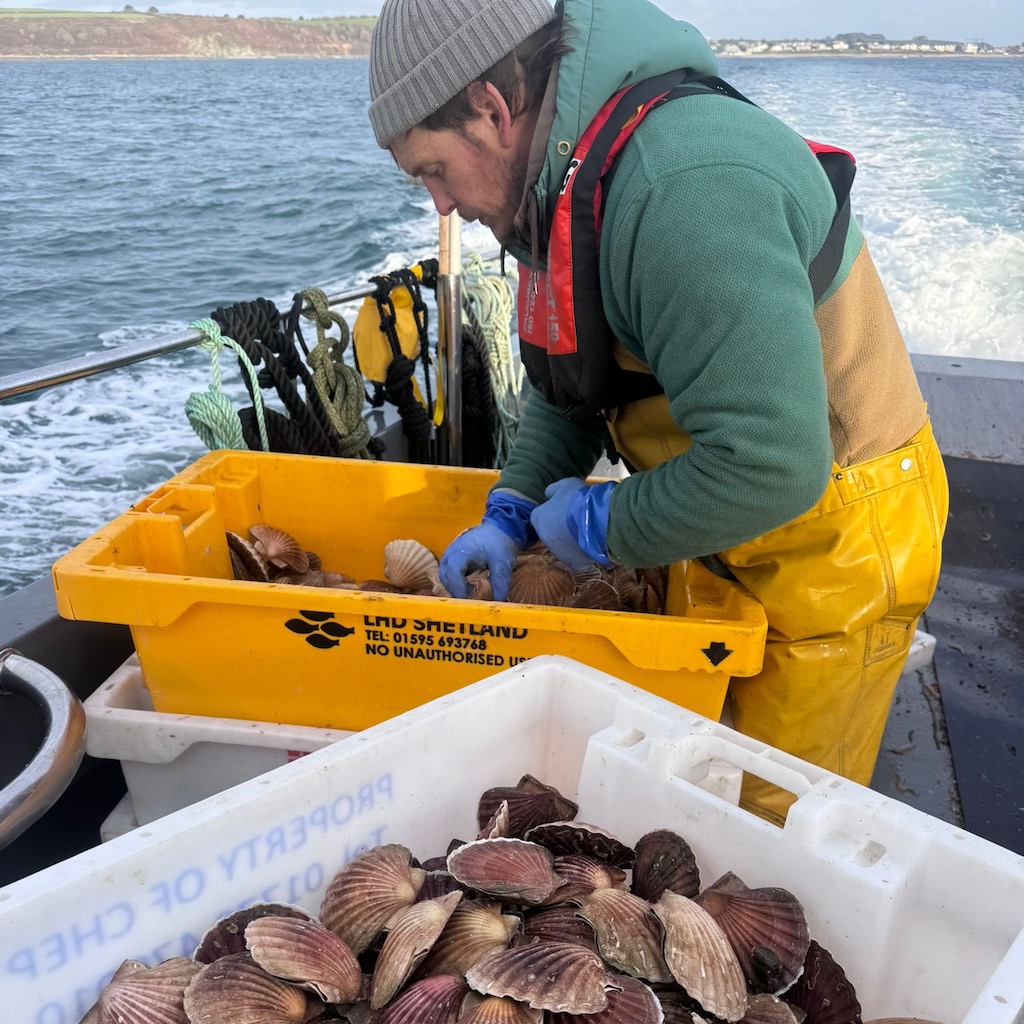
Fishermen in Cornwall and Devon are now supplying premium markets, including restaurant groups such as Rockfish, founded by chief Mitch Tonks.
Now attention is turning north, according to Fishtek Marine, which developed pot lights designed to attract scallops, and is bringing its Disco Scallops hardware to this year’s Scottish Skipper Expo in Aberdeen as it explores how this emerging fishery could be transplanted to Scottish waters.
Early adopters such as skipper Jon Hayes spent more than 16 months refining their approach before unlocking consistent results. Now working 200+ pots, scallop potting has become the mainstay of his landings, proving the payoff after the learning curve.
More recently, exposure through platforms such as The Fishing Locker has brought the method into the spotlight, highlighting how Pete Haskins lands six boxes from his first 111 pots just months in, proving the method to sceptics and putting scallop potting firmly on the radar of both fishers and managers.
With shell-on scallops typically achieving £0.75–£1.50 each, returns per string in cases like Pete, Jon’s and others, significantly exceed traditional inshore crustacean fisheries with no bait costs.

‘Potting for scallops sounds mad, and taking a gamble on the first 100 pots was a big on. But they paid for themselves in under two months… that says it all! It’s a quick, clean fishery that’s easy on the seabed, and anything you put back will still be there in a few months when it’s up to size,’ Pete Haskins said.
A key part of supporting this emerging fishery has been the development of the Disco Scallops brand. Disco Seafood Co., a collaboration between Fishtek Marine and a restaurateur, supports fishers by marketing and building a premium brand around this product, offering more consistent pricing while helping to de-risk entry into the fishery.
‘In Scotland, results to date have been mixed but certainly encouraging. Catches appear more seasonal, with higher numbers reported in autumn and winter, likely driven by longer night-time hours,’ Fishtek Marine’s representative stated.
‘Most effort so far has focused on relatively shallow grounds, but there is growing evidence that moving gear into deeper, darker waters is unlocking more consistent performance. As with any emerging fishery, success comes down to local knowledge, persistence, and time on the water.’