




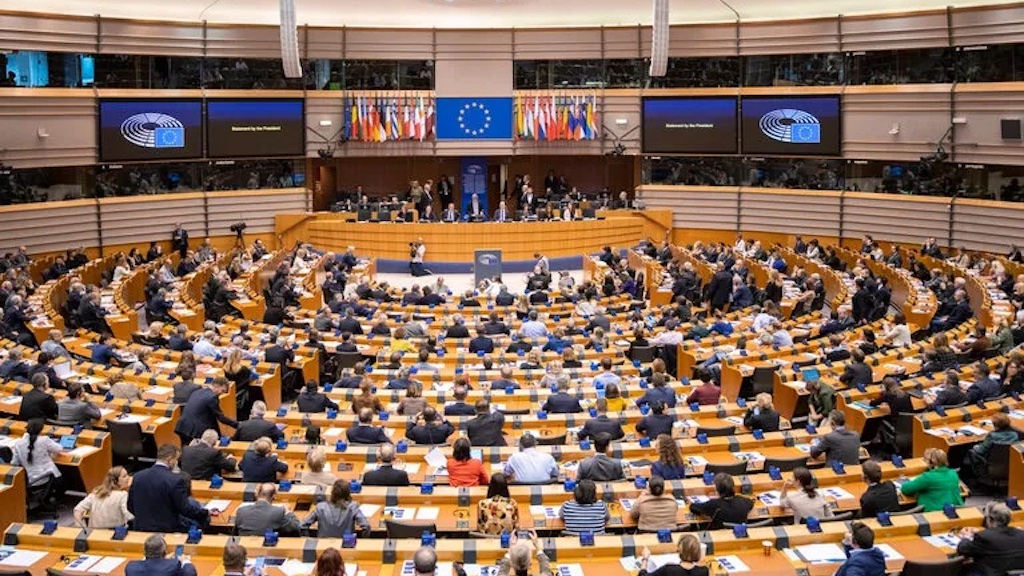
MEPs voted on favour of an updated fisheries agreement with Guinea Bissau, which allows 41 EU vessels access to the country’s waters for the next five years, while the EU contributes €85 million in funding over the five years.
The protocol allows access to Guinea-Bissau’s waters for a total of 28 freezer tuna seiners and surface longliners, and 13 pole-and-line tuna vessels, from Spain, France, Italy, Greece and Portugal. EU vessels can also take up to 3500 tonnes of cephalopods and 3700 tonnes of shrimp annually up to 2029.
Due to the state of small pelagics stocks, these are off limits.
The EU’s €85 million in funding over the five years consists of €17 million per year, with €4.5 million set aside annually to promote Guinea-Bissau’s sustainable fisheries management and to support local fishing communities. This is an increase of €1.4 million per year over the previous agreement.
In addition to the EU’s contribution, vessel operators will pay licence and catch fees to the country’s administration. The overall EU contribution to Guinea-Bissau will exceed €100 million for the five-year period.
MEPs also approved a set of recommendations for the Commission and Guinea-Bissau’s authorities to consider during future negotiations and when applying the current protocol.
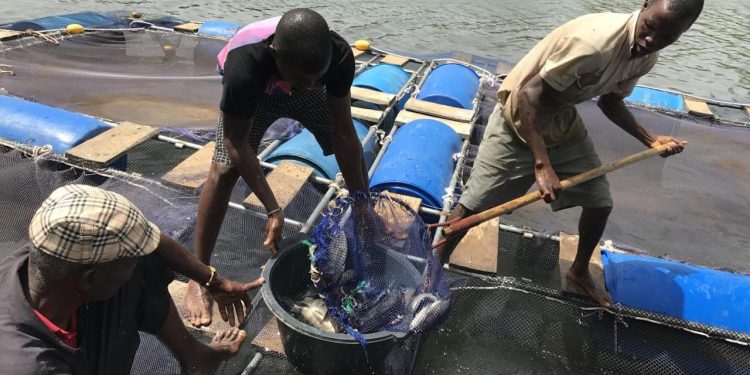
The EU Parliament’s intention is to ensure that the deal really does support the development of local fisheries, according to a statement setting out that Guinea-Bissau’s infrastructure needs improvement to secure market access for local fish and cooperation is needed to enable Guinea-Bissau to export its fishery products.
‘The Commission should improve monitoring and ensure that sectoral cooperation is geared more towards local food security needs, social conditions on board vessels, and recognition of the participation of women in coastal communities,’ said rapporteur Eric Sargiacomo.
MEPs expressed concern that ‘Guinea-Bissau is fast emerging as a flag-of-convenience country’, noting that the fight against IUU fishing is hampered by a lack of transparency regarding vessel ownership. EU authorities are therefore urged to mobilise technical and financial assistance to strengthen, monitor, and control fishing activities, prevent IUU fishing and combat reflagging strategies.