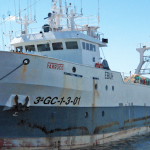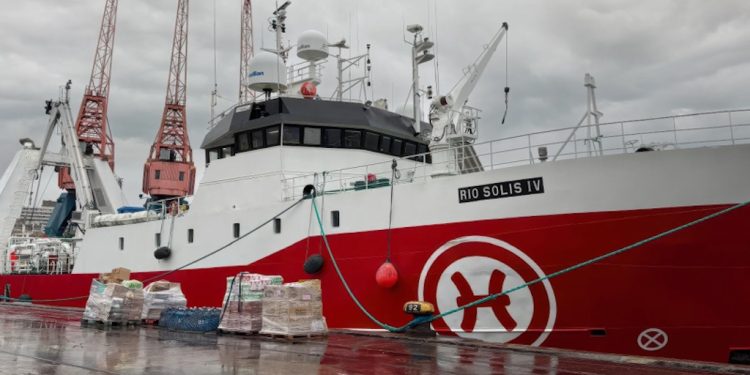





Uruguay’s fishing fleet is heading back to sea after a dispute with unions has kept fishing vessels tied for a crippling 80 days.
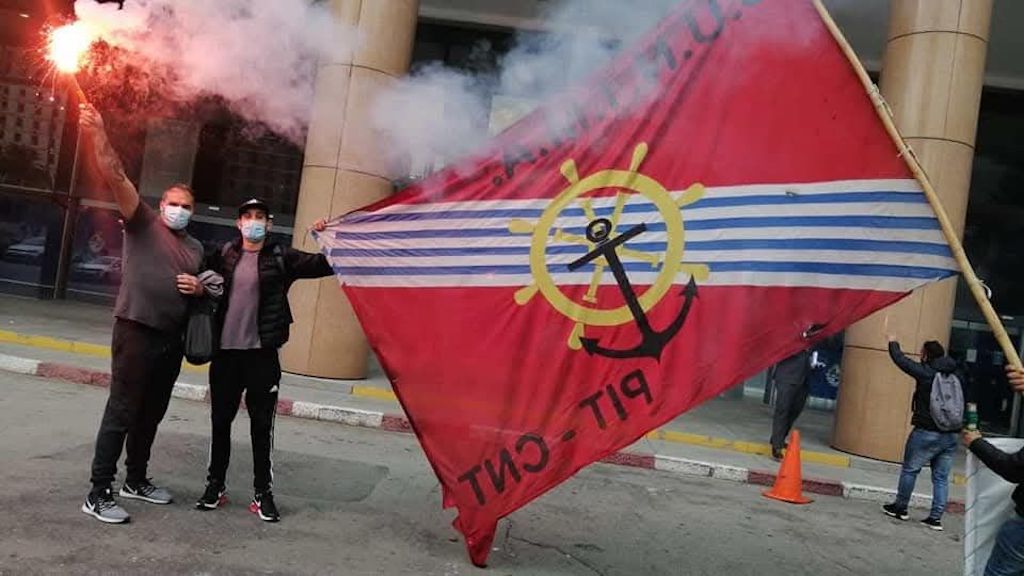
Fishing company Belnova states that the SUNTMA union representing fishing crews paralysed a large part of the country’s fishing fleet, leaving millions of dollars’ worth of assets stranded in port, in a highly charged dispute, reportedly rife with threats and internal division.
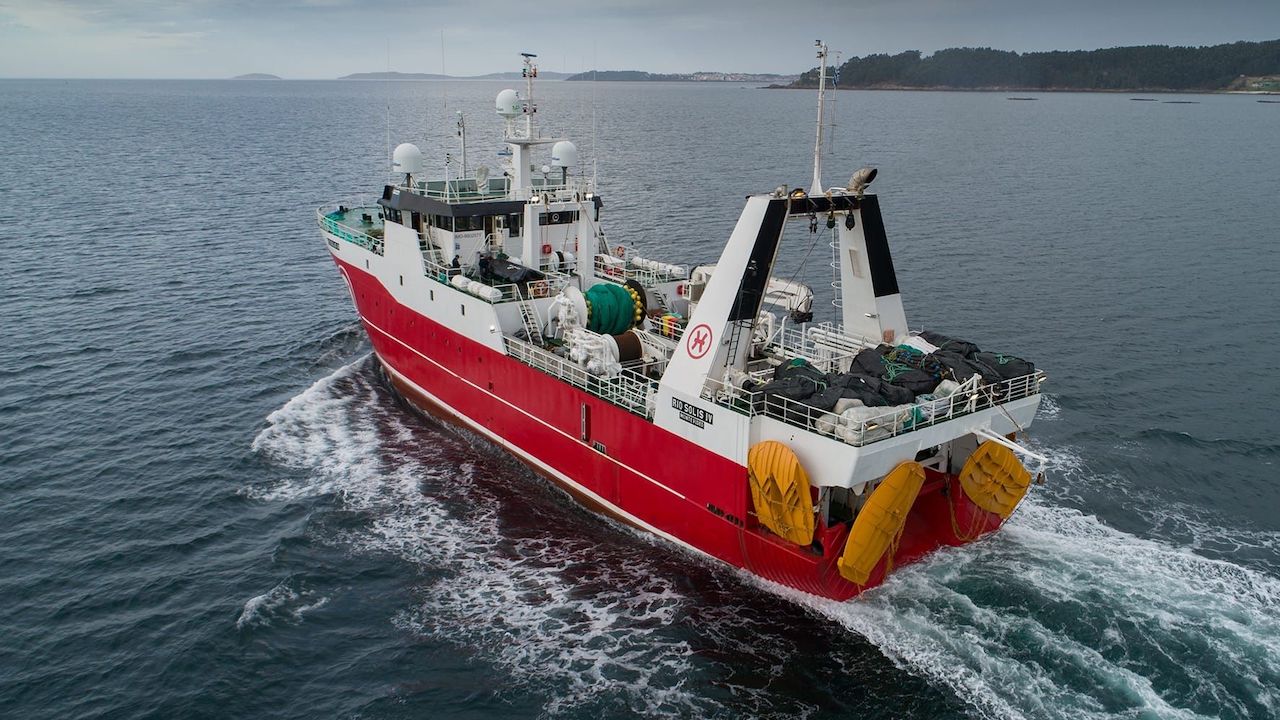
‘With the lifting of measures, companies are resuming operations in the South Atlantic. Each company will now enlist its crews, gradually resuming activity in the sector,’ a Belnova representative stated.
‘For Belnova, this return marks a key step toward stability in the sector. The company reinforces its commitment to working with integrity and predictability, alongside its international clients and crews. At recent meetings, the tense atmosphere escalated to the point of reports of direct threats against employers and workers. Union pressure clashed with the crew’s financial needs, and crews ultimately voted to resume work.’
The dispute centred on crew allocation on coastal vessels, affecting 193 vessels in total, with lengths ranging from 16 to 27 metres.
‘The shutdown since 27th May has caused significant losses for the sector, with months of inactivity and a severe impact on the value chain,’ Belnova’s representative stated.
‘Belnova maintained its position to the end, defending legality and supporting the continued existence of the fishing sector in Uruguay.’
According to the Uruguayan Chamber of Fisheries (CIPU), there have concerns among investors from Spain, Denmark and other countries, which have capital tied up in the Uruguayan industry, over the stability of the country’s fishing sector.
CIPU states that end of the dispute also ushers in new regulations, including a new recruitment platform that has already seen a significant number of applications from new entrants seeking to join the industry, plus a new zero-tolerance regulation relating to drugs and alcohol on board fishing vessels. This broadens the scope of a policy already in place with a number of companies.
Crews are expected to sign a zero drugs and alcohol undertaking, and agree to randon testing, as well instant dismissal in the event of a positive test result.
‘With this regulation, the Chamber seeks to strengthen safety at sea and the protection of workers’ lives, aligning the sector with international professional standards, A CIPU representative commented.
‘The return to activity not only means the restoration of fishing production, but also the beginning of a model that focuses on responsible labour, technological innovation in contracting, and the strengthening of operational safety.’