



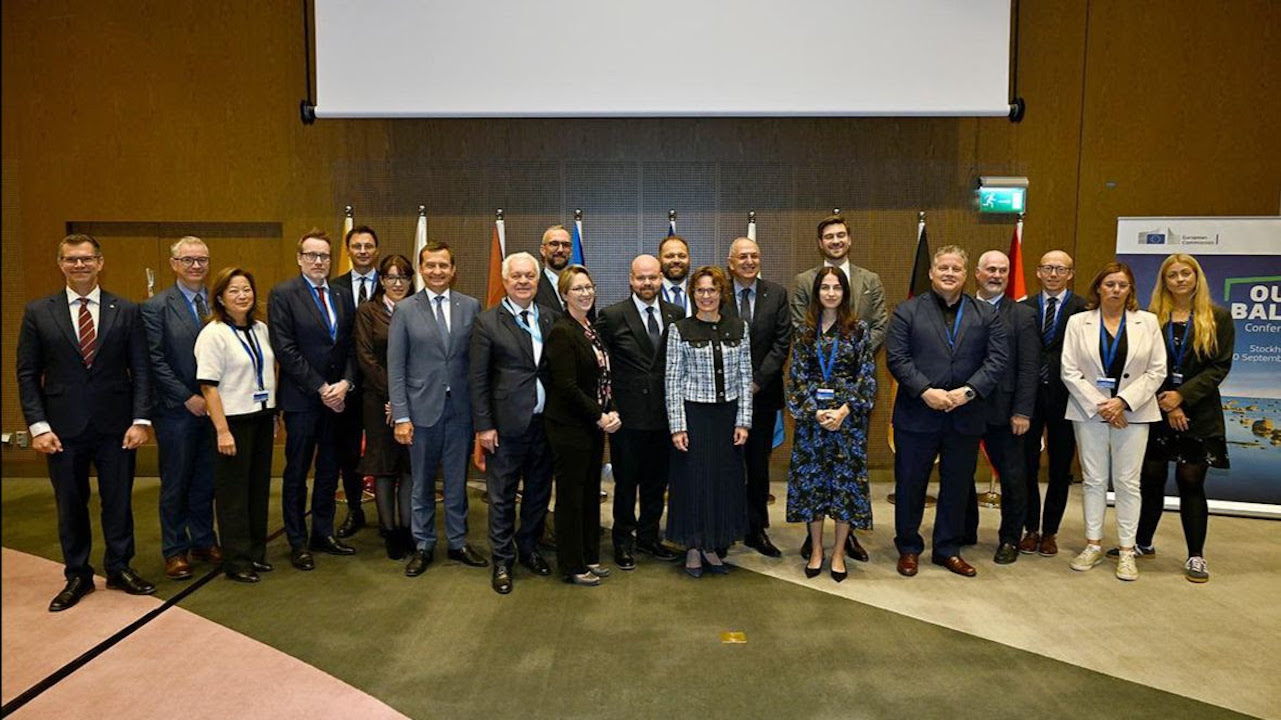
‘There’s no need for more conferences or promises. What we urgently need is a binding action plan to address the multiple factors that have shocked the marine environment in the Baltic Sea,’ said Kenn Skau Fischer, CEO of the Danish Fishers PO, speaking at the Our Baltic Ministerial Conference in Stockholm, hosted by the European Commission.
European industry body Europêche stresses that no Member State can address the Baltic crisis alone; a coordinated, cross-border approach is essential. The Baltic Sea is facing unprecedented pressures from nutrient emissions, chemical pollution, expanding offshore energy, climate change, and the uncontrolled growth of predator populations such as seals and cormorants. These factors are driving a fundamental ecosystem regime shift and continue to impede the recovery of fish stocks, despite strict fishing restrictions already in place.
‘One country cannot shoulder this challenge on its own. All parties must pull together. We call on ministers to stand ready, work constructively with the Commission and find workable solutions for the future of the Baltic and our fishers,’ Kenn Skau Fischer said.
He pointed out to the conference, attended by Commissioner Coastas Kadis, that the fishing sector has already accepted unprecedented reductions in catches designed to minimise pressure on fish stocks and allow fish populations to thrive. Yet, recovery remains blocked by environmental pressures beyond fisheries.
Europêche is adamant that the Common Fisheries Policy (CFP) must be revised to allow measures tackling broader ecological threats.
‘One thing is clear: if nothing is done to address the above-described stressors, fish stocks will not recover, regardless of catch limits,’ Kenn Skau Fischer warned, commenting that challenges such as climate change require long-term solutions, while eutrophication and pollution demand medium-term action. Others, like excessive predation from seals and cormorants, can be addressed more immediately.
Despite the importance of this conference, discussions remained largely at the institutional level.
‘It is regrettable that those who know the Baltic best – the fishers – were not given broader representation at the discussion panels to contribute their views,’ commented Europêche managing director Daniel Voces, adding that Europêche will continue to engage constructively and will meet Commissioner Kadis on 3rd October to exchange views on the Baltic’s future.