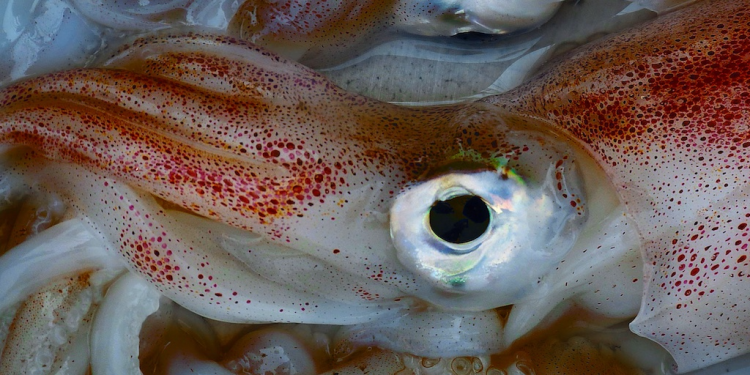





The Market Advisory Council (MAC) and the Long Distance Advisory Council (LDAC) delivered recommendations to the EU Member States and to the European Commission, strongly advising the strengthening of EU import controls and transparency to address risks in global squid fisheries.
They point out that in recent years, worldwide fishing effort and landings of squid have increased significantly, with most of this effort on the high seas with a fragmented governance framework, resulting in oversight, transparency, and enforcement gaps.
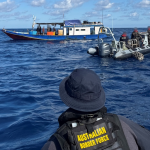
There are also reports of IUU fishing and labour abuses, including forced labour, unsafe working conditions, and fishing in unauthorised areas.
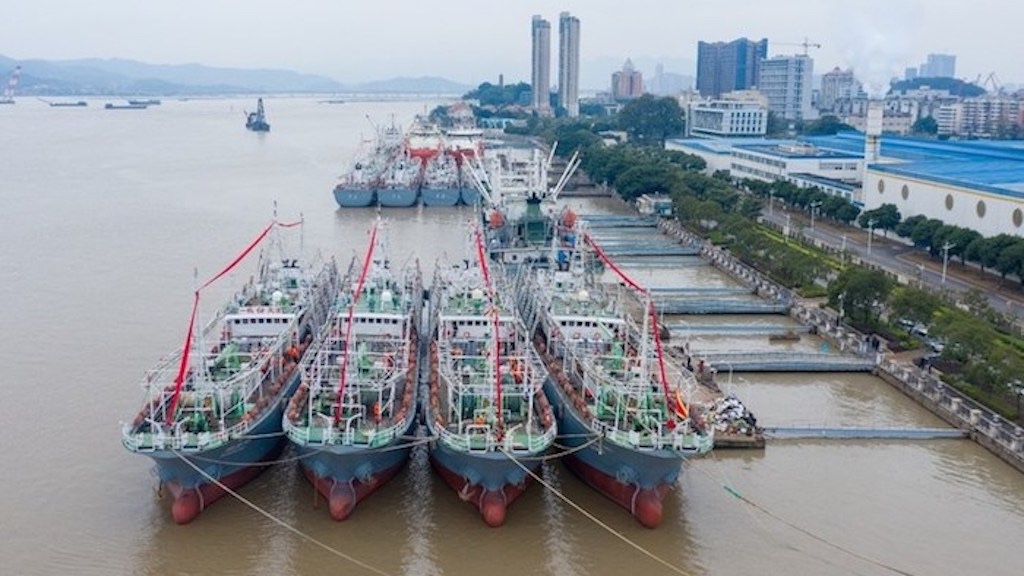
Fleets with significant fishing efforts targeting squid in the high seas include China, Japan, South Korea, and Taiwan. The Chinese distant-water fleet has been by far the largest contributor to the surge in global squid fishing pressure. Globally, the European Union is the largest importer of squid and cuttlefish products, with Spain as the main gateway. While the Spanish authorities are recognised for their strict enforcement of catch certification requirements, with the majority of its imports in regulated and traceable squid supplies, some sources may still carry potential risks.
‘As the largest importer of squid and cuttlefish globally, the European Union plays a pivotal role when addressing IUU fishing and human rights risks in global value chains. The EU imposes high standards of legality, traceability, and documentation, which translates in the strict enforcement of catch certification requirements,’ said MAC chair Yobana Bermúdez.
‘Nevertheless, there can still be uneven enforcement and lack of effective implementation in the Single Market for certain species of squid. Therefore, strengthened controls of squid products originating from high-risk fleets, including through the prohibition of imports of products associated with verified abuses, should be pursued, while also cooperating with third countries to ensure respect for international standards.’
The ACs highlight the need for ‘enhanced scrutiny of squid imports originating from China and high-risk fleets targeting poorly managed or unregulated stocks, including through verifications of consignments, audits, and investigation of suspected cases of IUU fishing and forced labour,’ as well as ‘prioritisation for inspection of vessels fishing in unregulated areas, including through equitably effective measures on domestic and foreign vessels, to ensure that IUU caught fish does not reach the market.’
They also recommend strengthening of the Flag State responsibility of third countries through improved oversight and control of fishing vessels targeting squid in the high seas or in their EEZs, including on international labour and human rights responsibilities.
‘Stronger management measures for squid fisheries in Regional Fisheries Management Organisations and the establishment of a Regional Fisheries Management Organisation in the South West Atlantic to contribute to the sustainability of squid fisheries, tackling uncontrolled fisheries in areas beyond national jurisdiction,’ the ACs state.
‘The European Union has long been a leader in shaping the international governance of the Ocean in general and Fisheries in particular. As treaties and agreements such as BBNJ, CBD and the ILO188 convention are moving into the implementation phase, it is fundamental that the EU, both as a leader and the world’s largest seafood market, must ensure that imports are free from illegal fishing, forced labour and environmental degradation due to overexploitation of resources,’ commented LDAC chair Iván López.
‘This can only be done by strengthening import controls, improving traceability and enforcing existing legislation consistently across all Member States. This is the best way for the EU to show its full commitment and continue its work in leading and working with international partners to improve governance of largely unregulated squid fisheries, promote science-based management and create a level playing field for responsible operators. Sustainable trade can only be built on transparency, accountability and respect for people, marine ecosystems and the rule of law.’