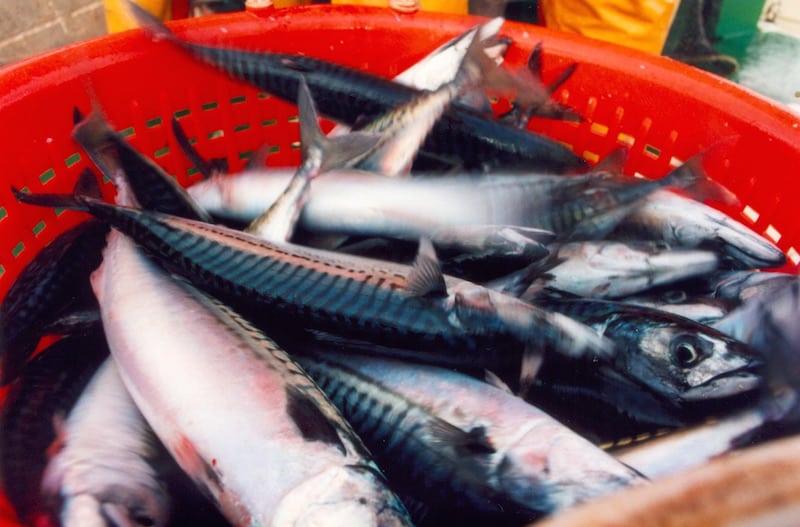
Coastal States strike mackerel agreement
An agreement on the mackerel fishery for 2018 was reached earlier this month in London between the European Union, Norway and Faroe Islands.

An agreement on the mackerel fishery for 2018 was reached earlier this month in London between the European Union, Norway and Faroe Islands.
With the International Commission for the Conservation of Atlantic Tunas (ICCAT) due to hold its annual meeting from 14 to 22 November, its scientific committee has just delivered its latest assessment on the status of the stocks of tunas in the Atlantic.
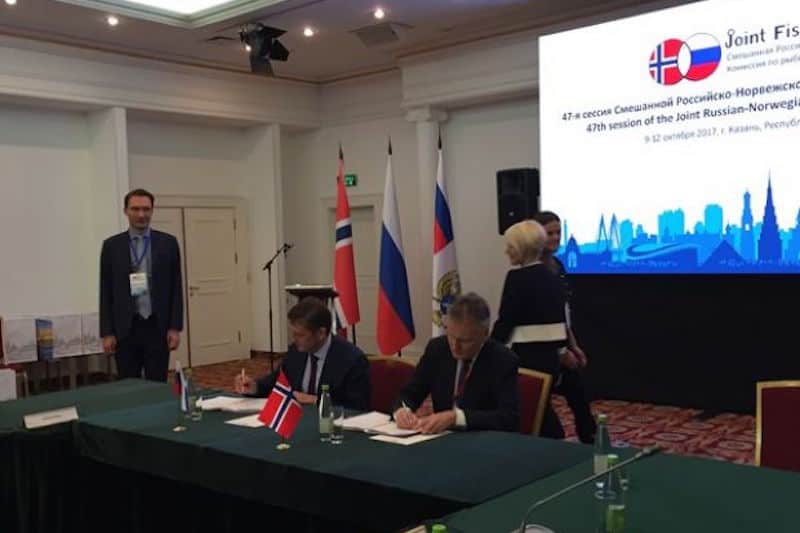
Norway and Russia have agreed on quotas for cod, haddock, capelin, Greenland halibut and redfish, as well as improved conditions for carrying out fishing research activities in each other's zones.
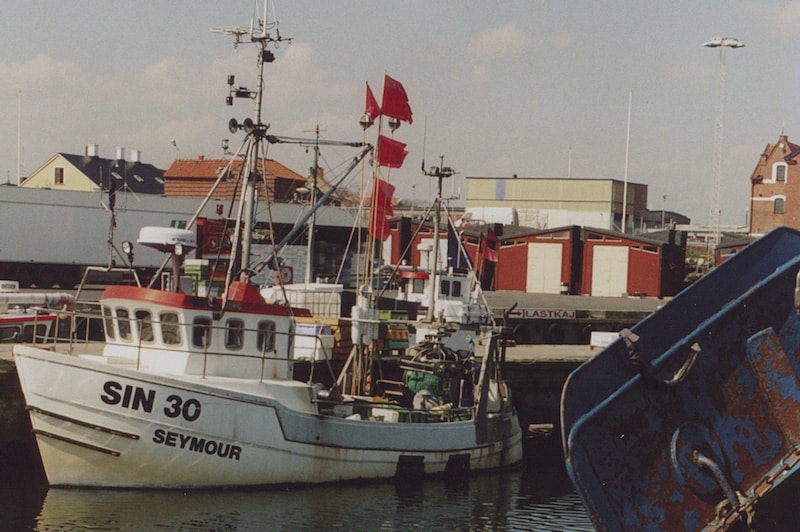
After long hours of discussion, EU Fisheries Ministers have finally agreed fishing opportunities for 2018 for the ten stocks in the Baltic Sea following talks in Luxembourg. The total allowable catches (TACs) were agreed in the framework of the Common Fisheries Policy which aims to have all stocks fished at sustainable levels by 2020.
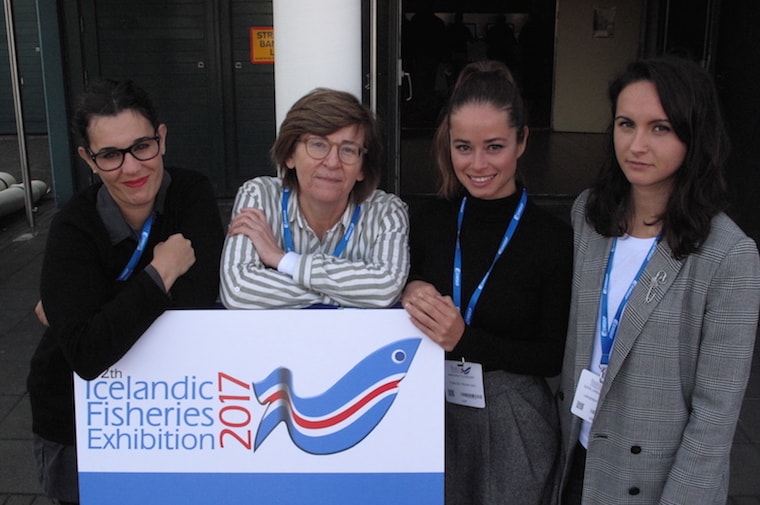
Around half of people worldwide working in the seafood industry are women – but despite this figure, there is very little by the way of equality as women’s jobs are overwhelmingly at the lower-paid end of the scale. A new organisation, the International Association for Women in Seafood Industry (WSI), has been established to raise awareness of the industry’s gender imbalance.
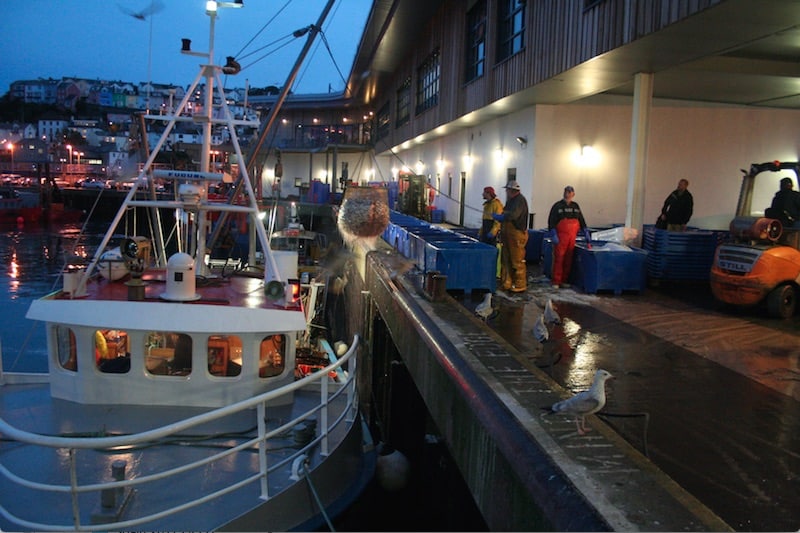
A group of international scientists is currently looking into whether the fisheries in Northern European waters are now seriously under-fished. Dr Henrik Sparholt, who for many years held a senior position within ICES, recently presented an outline of a research project to understand this development with more precision, to a meeting of the Executive Committee of the North Sea Advisory Council.
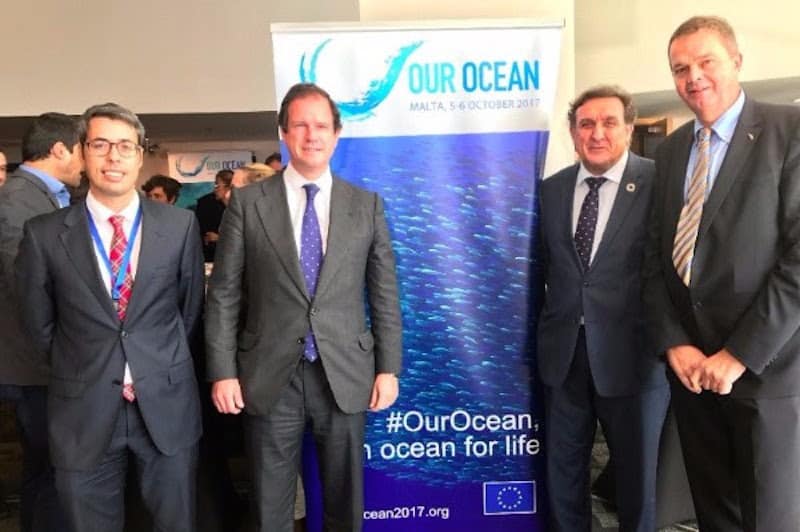
The EU hosted the fourth high-level ‘Our Ocean’ conference in Malta on 5-6 October 2017 aimed at bringing together world leaders to propose commitments to face global marine challenges and sustainably use the seas and oceans. Europêche members were honoured to contribute concrete actions, through commitments, to address these emerging issues. These pledges notably focused on the reduction of marine litter, improvement of fisheries management and fight against illegal fishing.
PescaDOLUS, the network specialising in studying and exposing transnational crime in the fisheries sector, has released a detailed report supported by the Nordic Council of Ministers and the Norwegian Agency for Development Co-operation (Norad).
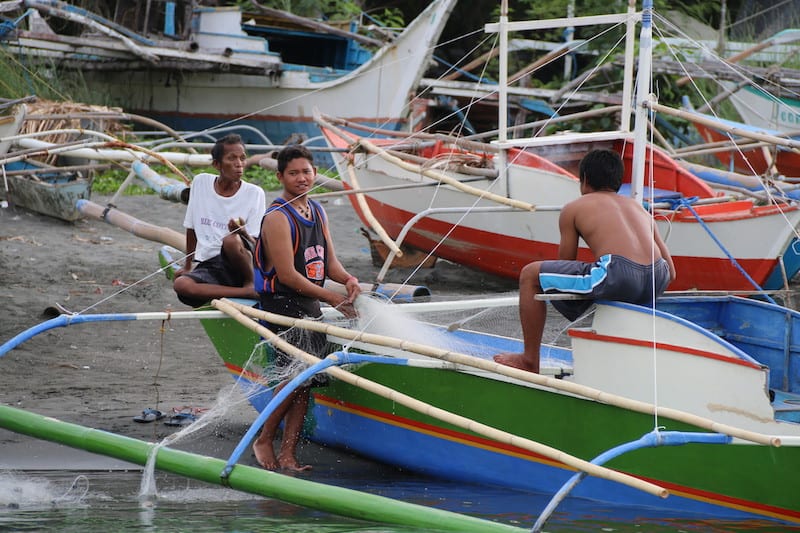
In a dramatic step forward for Asia-Pacific and global ocean conservation, the Philippines has begun implementing sustainable fishing reforms with Environmental Defense Fund (EDF) as a partner providing critical support on science and policy.
Mikhail Ivanik, deputy head of Russia’s Federal Fisheries Agency (Rosrybolovstvo), told the International Fishery Congress currently taking place in Vladivostok that the fishing sector needs to make the transition to electronic logging and remote licensing.
