Thyborøn dry dock ready for business
The new dry dock at the Danish port of Thyborøn was officially opened for business yesterday.

The new dry dock at the Danish port of Thyborøn was officially opened for business yesterday.
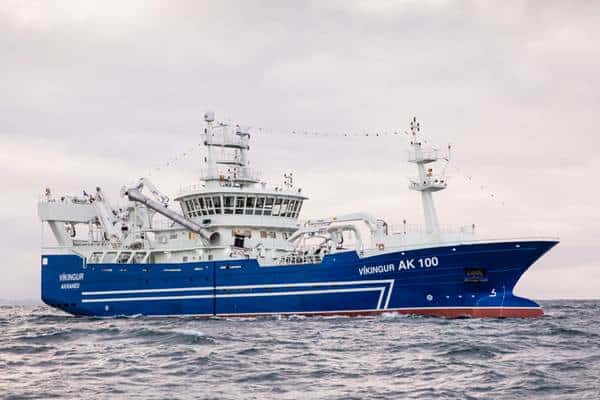
Fishing has been steady, but the Icelandic fleet’s blue whiting season looks to be coming to a close, with the Seamen’s Day stopover due in early June marking the point at which much of the pelagic fleet starts fitting out for the summer herring and mackerel fisheries.

Operators of one of only a few beam trawlers under the Danish flag, Erik and René Kloster found themselves struggling for fishroom space as there is nothing unusual about a 35 to 40 tonne trip on plaice.

A flow of second-hand French trawlers to Ireland has boosted business for French winch manufacturer Bopp as it finds itself with a new market on its doorstep.

Langoustine are a focal point of Lorient’s small-scale fleet landings, with the emphasis on landing high-value live langoustine that make their way to the port’s 4am auction for the small boat fleet’s landings.
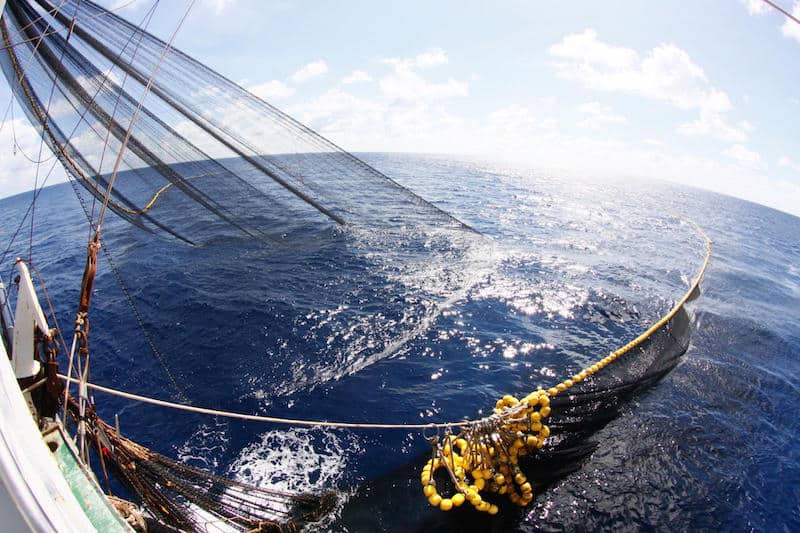
ISSF calls for continued advances towards Harvest Control Rules and protections for yellowfin stock as it issues a statement setting out its position ahead of the Indian Ocean Tuna Commission meeting scheduled to take place in La Réunion 23-27th May.
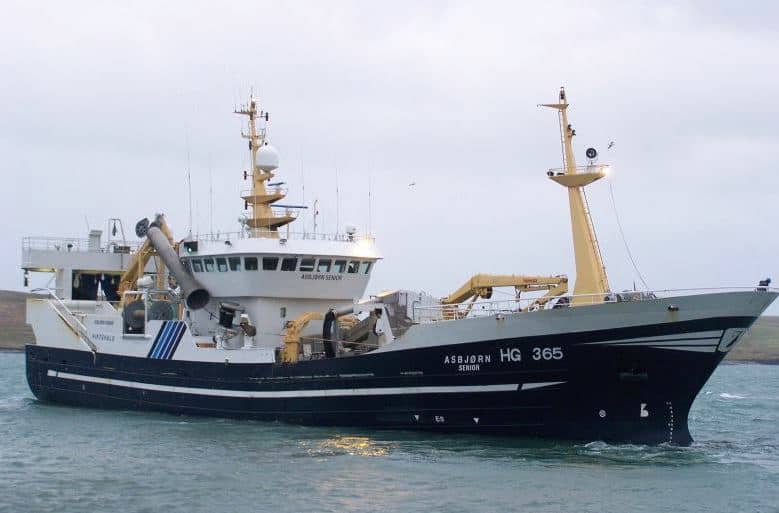
Kaliningrad fishing gear supplier Fishering Service has supplied an Atlantica 1460 pelagic trawl in a combination of hexagonal and diamond meshes to a Russian RSW trawler, one of only a few RSW-equipped pelagic vessels operating in the region.
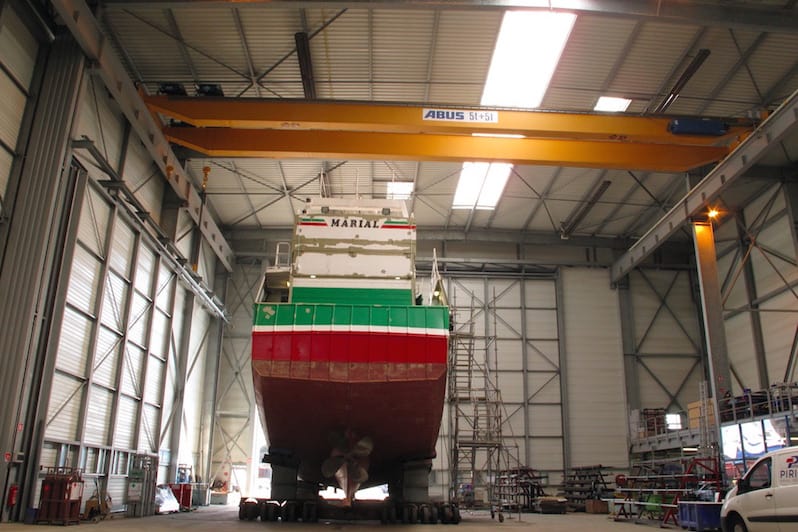
The Piriou yard started out as a straightforward repair yard fixing the Concarneau fleet’s trawlers, netters and seiners, but as the fleet grew, the yard grew with it, becoming one of the few yards in France building tuna purse seiners and large trawlers.
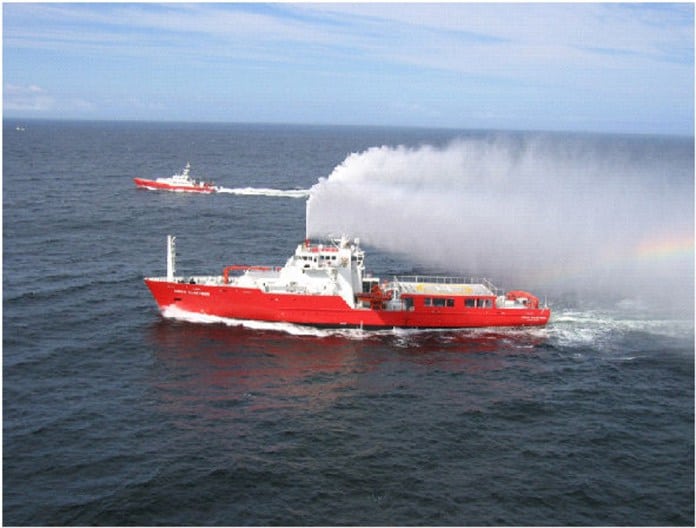
After a bizarre chase, the South African authorities have arrested a Chinese fishing vessel and escorted it to Cape Town, where fines for a range of infringements have been imposed.
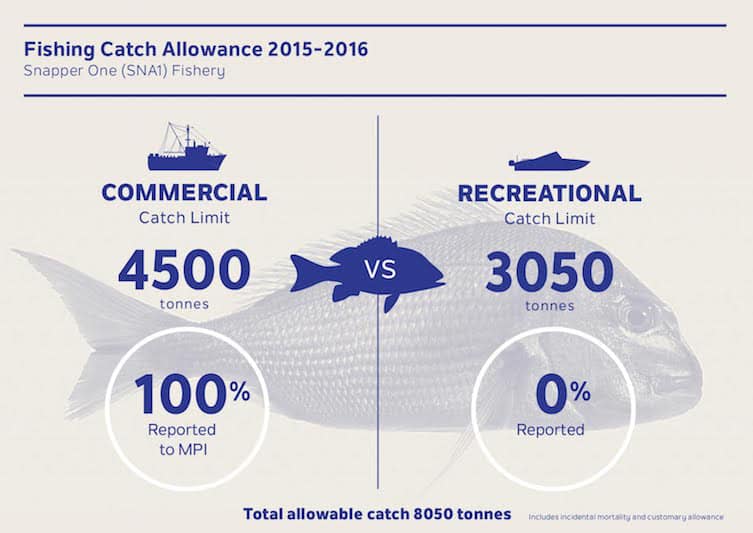
Volker Kuntzsch of New Zealand company Sanford has made a robust response to the University of British Columbia report, Reconstruction of Marine Fisheries Catches for New Zealand (1950-2010), which uses historical catch information from New Zealand fisheries and claims these are 2.7 (between 1950 and 2010) times larger than the official records.