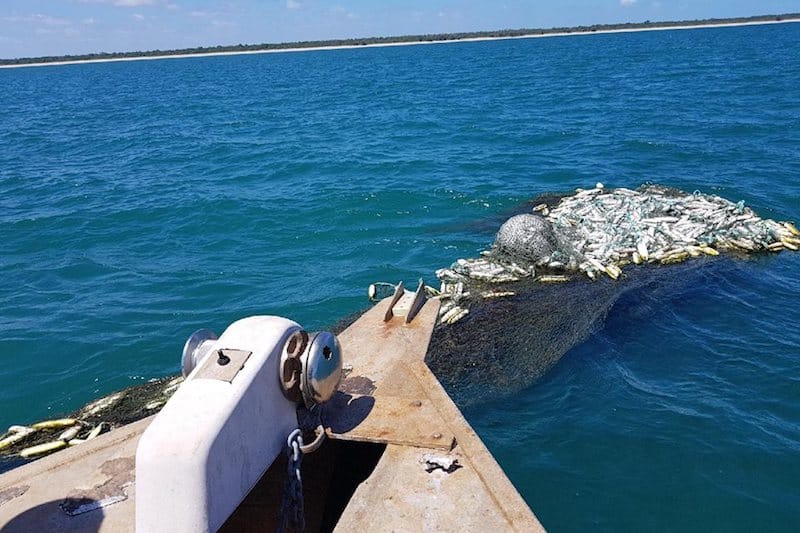
From ghost net to artwork
A large ghost net has been removed from the Gulf of Carpentaria near Weipa in Queensland, in a joint operation between the Australian Fisheries Management Authority (AFMA) and Parks Australia.

A large ghost net has been removed from the Gulf of Carpentaria near Weipa in Queensland, in a joint operation between the Australian Fisheries Management Authority (AFMA) and Parks Australia.
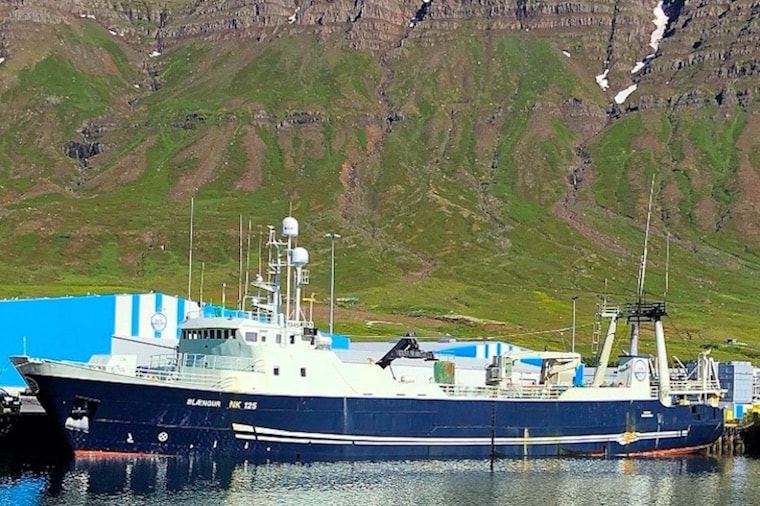
Freezer trawler Blængur docked in Neskaupstaður on Sunday night after what is believed to be best trip ever by a trawler from Norðfjörður, with a catch value of around ISK380 million (€3 million).
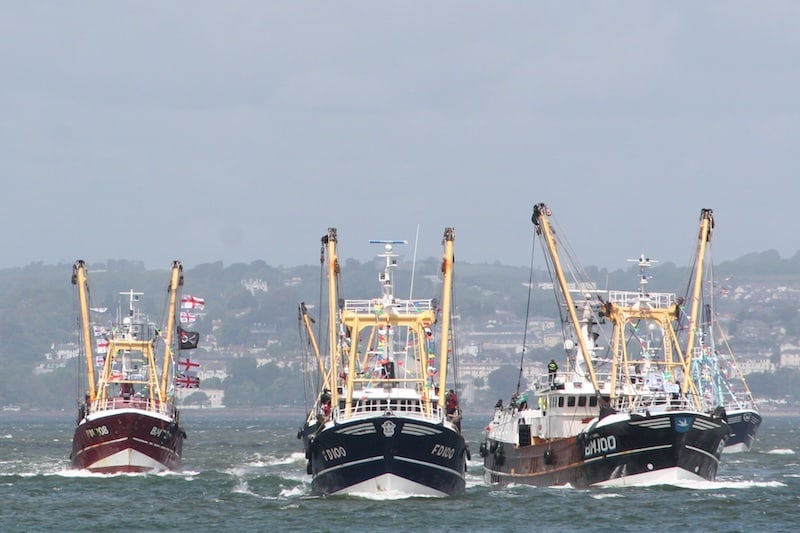
The UK government is gearing up for the Fisheries Bill to be introduced in Parliament with a White Paper setting out its stance on how it sees fisheries issues. The ‘Sustainable Fisheries for Future Generations’ is described as a blueprint for a sustainable and profitable industry in the future. The proposals outlined are now subject to a ten-week consultation period.

The International Pole & Line Foundation (IPNLF), the non-profit association that is committed to developing and supporting responsible one-by-one tuna fisheries and supply chains, is delighted to announce that Mialy Andriamahefazafy of the University of Lausanne, Switzerland, has joined its Board of Trustees.
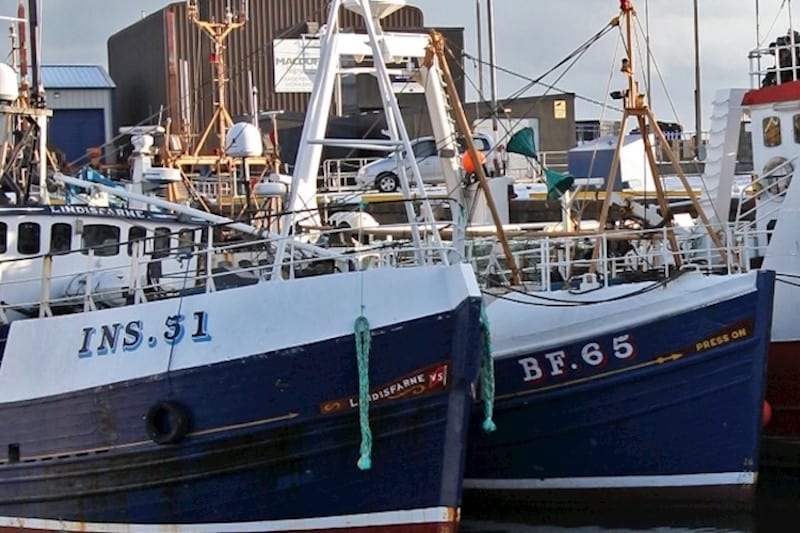
Organisers of the Biannual Scottish Fishing Conference, being held in St Andrews on the 9-10th July, have announces that they have secured top speakers, representing Governments of Scotland, The Faroes and Norway, to add to a programme of talks and demonstrations. These key speakers will address delegates on the second day of the conference.
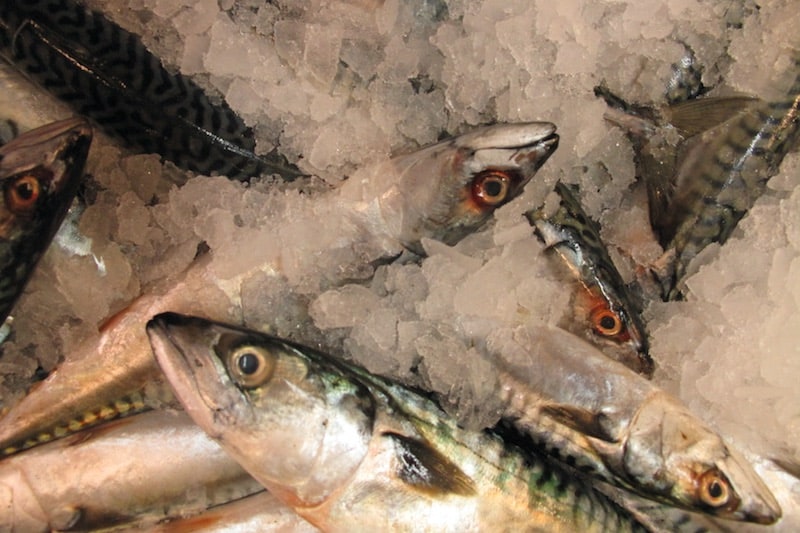
A study of the North Atlantic’s mackerel stocks by independent scientist Jens Christian Holst asks some uncomfortable questions of the current methods fisheries management and research. He suggests that feeding by a mackerel stock that has outgrown its usual food sources is the reason for declining seabird and salmon stocks, and that the size of the spawning stock has been drastically underestimated.
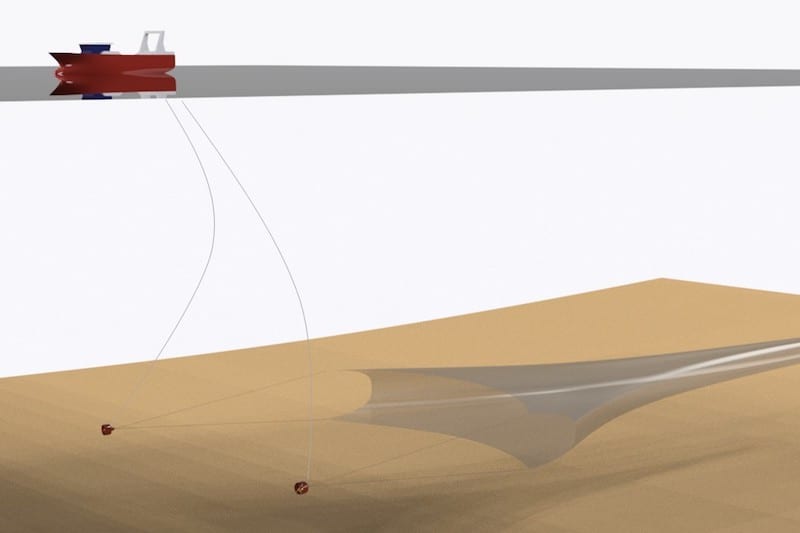
Currently at the stage of evaluating the new concept using computer flow dynamics, Norwegian company ECO Trawl has developed a set of ideas that are aimed at replacing trawl doors with steerable propulsion units.

Project SeSafe, funded by the FRDC, AMSA, and the commercial fishing industry, commenced this year in early March. The project is designed to raise awareness and improve safety performance in the Australian fishing and aquaculture industry, by aiming for zero deaths at sea, a significant reduction in workplace injuries, and 100% compliance with safety regulations.
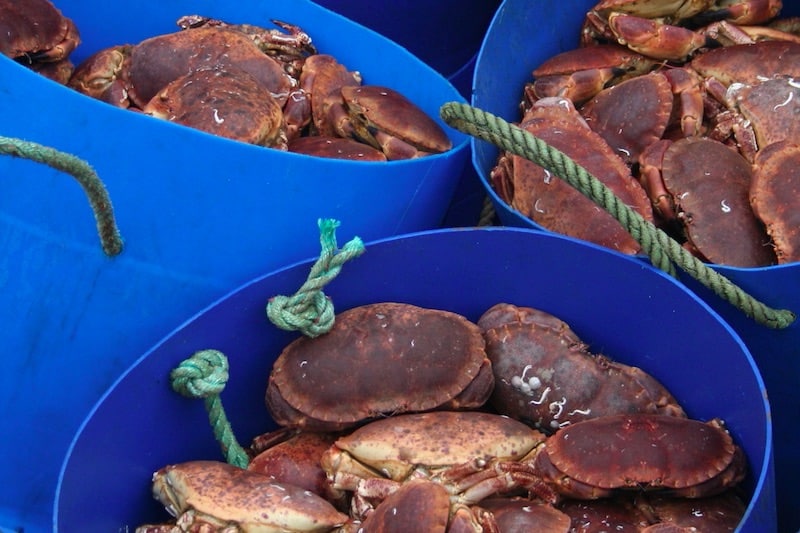
New fisheries management arrangements to help ensure that coastal communities make the most of their waters are to be trialled in the Outer Hebrides, Mull and the east coast of Scotland. Of the seven proposals submitted last year at the Scottish government’s invitation, following selection and public consultation, three are to be taken forward.
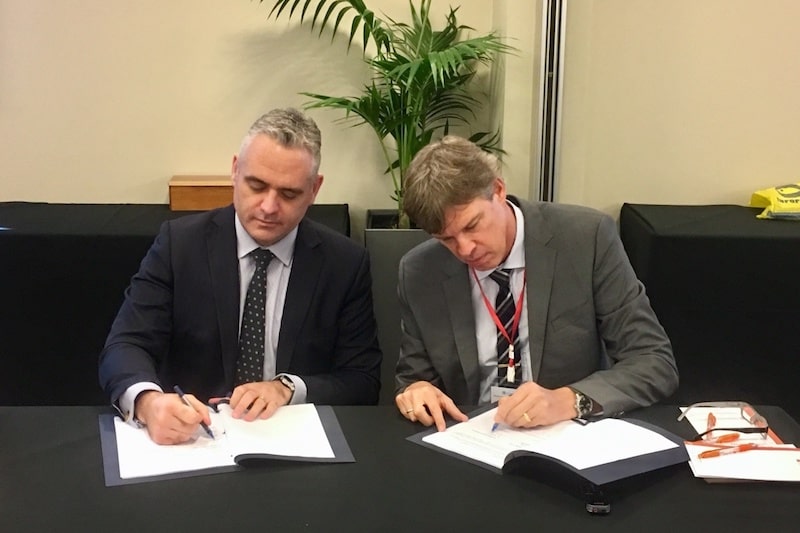
In a move to enhance tuna fisheries management in the Pacific, the New Zealand Ministry of Foreign Affairs and Trade (MFAT) have committed NZD 4.9 million to the Pacific Islands Forum Fisheries Agency (FFA).