NOAA reopens royal red shrimp waters
NOAA has reopened 4,213 square miles (10,911 sq km) of area it had previously closed to royal red shrimp fishing in the Gulf of Mexico.





NOAA has reopened 4,213 square miles (10,911 sq km) of area it had previously closed to royal red shrimp fishing in the Gulf of Mexico.
NOAA’s new proposal would stopped recreational harvest of greater amberjask in the Gulf of Mexico.
Fish catch in the Arctic region is rising each year and that concern Canadian researchers.
Gill net fishing season was on early closure as the department concerns that the rockfish population is busting due to poaching.
NOAA has announced the reopening of Gulf to deep water shrimp fishing, which has been prohibited since November when a shrimper found a tar ball in his net.
Environmental groups have announced their support to the measures protecting sea lion, says a report.
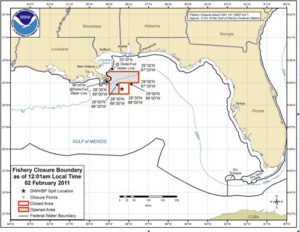
Effective February 2, 2011 at 12:01 a.m. local time, NOAA will reopen 4,213 square miles (10,911 sq km) of area it had previously closed to royal red shrimp fishing in the Gulf of Mexico in response to the BP/Deepwater Horizon oil spill.
Volumes of data released to the Cohen Inquiry on the Fraser River Sockeye show good health and honest reporting on salmon farms in the province.
The first tarpon fishing was done in Tarpon Bay in 1885 and the fish, silver king, largely affects Southwest Florida’s economy.
Oregon Dungeness crab was awarded MSC status certificate as sustainable fishery, confirms a report.