




A Swedish government proposal to ban demersal trawling in marine protected areas has brought the issue into sharp focus for coastal communities. A partnership has launched the EU-funded Light Trawling project to test whether lights can be used to guide shrimp into a trawl while allowing the gear to stay off the seabed.
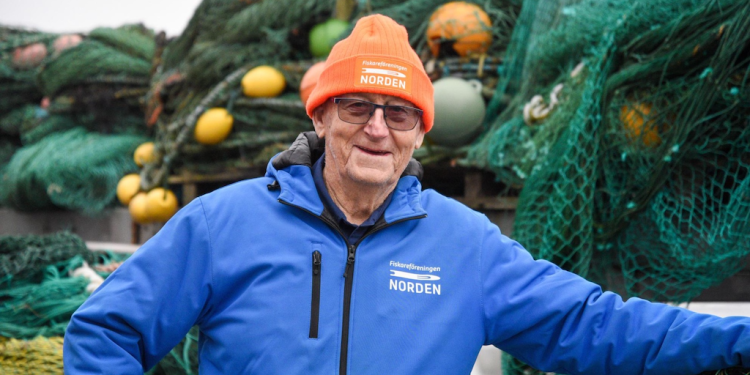
‘We have to start thinking differently when it comes to how we fish. The marine environment is in poor condition and finding more sustainable methods is absolutely necessary,’ said Sixten Söderberg.
He has spent more than 50 years at sea, watching tides, seasons and regulations change. Active in the FF Norden fishing association, one of the project partners, and married to a marine biologist, he is used to balancing practical know-how with scientific evidence.

After reading about an innovative project in Iceland that uses light to guide catches into a net, the idea behind this project took shape.
‘Innovation is the way forward. If we want a future for our fishers and the fishery in general, we need to do something,’ he said, adding that he contacted the Icelandic team and, together with partners in Sweden, began exploring how the method could work under local conditions.
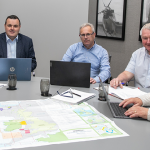
Sotenäs Municipality is leading the project while FF Norden represents the fishers who will have to make the gear work on deck and at sea. Chalmers Industriteknik brings expertise in the blue and circular economy to help ensure that the new gear is both environmentally beneficial and economically viable.
The thinking is that the gear does not touch the bottom, reducing the impact on the seabed as well as wear and tear on equipment, while lights herd the target catch into the net. The light system is smaller and lighter than conventional trawls and creates less water resistance. Potential gains are environmental – through reduced seabed impact – and economic, due to lower fuel consumption and less wear and tear of the gear. The partners are working to establish how heavy each light unit must be to stay steady in different currents, how water density and visibility affect the lights and the catch response, and how high above the seabed the gear can run while still catching shrimp.
The process takes time on the water, repeated adjustments and the willingness to learn from setbacks. The partners are clear that the EU funding made the trials possible. Without support, the cost and risk of building and testing new gear would have been too high.
‘We need a living ocean. There must be something left for the next generations, and to ensure this, we need to do things differently,’ Sixten Söderberg said.