



The US authorities have allocated $15.8 million in fishery resource disaster funding to address multiple fishery resource disasters that occurred in Florida, California, and for the Makah Tribe in Washington state between 2019 and 2024.
‘Coastal communities depend on these fisheries and fishermen to support their local economies,’ said Eugenio Piñeiro Soler, assistant administrator for NOAA Fisheries.
‘These fishery disaster funding allocations are a tangible way to assist these communities in mitigating impacts and restoring fisheries.’
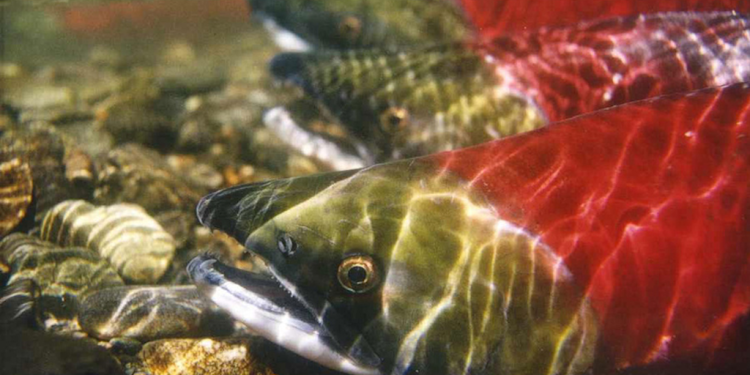
The $15.8 million allocation applies to previously declared fishery resource disasters, including, Florida Hurricane Ian in 2022, the Makah Tribe ocean treaty troll fishery in 2020 and 2021, the Makah Tribe Fraser sockeye salmon fisheries in 2023, 2021, 2020 and 2019, and the California red sea urchin fishery in 2023/2024.
NOAA Fisheries used commercial revenue loss information to allocate funding across the eligible disasters.
These funds will help improve the long-term economic and environmental sustainability of the affected fisheries. Funds can be used to assist commercial fishermen, recreational fishermen, for-hire businesses, shore-side infrastructure, subsistence users, and the marine environment. Activities that can be considered for funding include direct assistance, fishery-related infrastructure projects, habitat restoration, state-run vessel and fishing permit buybacks, job retraining and more.
In the next steps, NOAA Fisheries will issue a non-competitive Notice of Funding Opportunity letter to fishery disaster recipients who will have 120 days to submit an application to NOAA Fisheries. Fishing communities and individuals affected by this disaster should work with their state or tribal government as appropriate.
‘The US seafood industry plays a critical role in our coastal economy,’ said NOAA Administrator Neil Jacobs.
‘Our fishermen depend on each catch to sustain their livelihoods, yet fishery disasters can have devastating impacts on the businesses and communities that rely on these resources.’